The Last 200 Meters: Why Sarteneja's Road Still Isn't "Officially" Finished
September 3, 2026
September 3, 2026
Drive the Corozal to Sarteneja road today and most of it feels done. A 2024 progress update from the Ministry of Infrastructure Development and Housing put paved coverage at roughly 30 kilometers of the road's 27-mile length, with work continuing since. You will cross the Laguna Seca bridge without a second thought. You will likely not even remember the ferry that used to sit there, because it is gone, replaced years ago. And yet, as of a June 2026 update reported by Greater Belize, the road still has not been officially opened.
The reason sits at mile three: a 200-meter stretch of soft soil and deep peat that has swallowed two previous attempts to fix it. Everyone who drives to Corozal for groceries, a doctor's appointment, or a boat part already knows this section by feel before they see it. It is the one place on an otherwise finished road where the pavement still tells the truth about what is underneath it.
The engineering history of this single spot is worth knowing, because it helps explain why this section has remained a focus. The first attempt was straightforward: fill the soft ground and build up from there. Crews packed the area with more than three meters of fill. It sank. The second attempt tried a retaining wall paired with concrete pavement, a standard fix for unstable roadbeds elsewhere in the country. That failed too, swallowed by the same peat that ate the fill before it.
Chief Engineer Evondale Moody, who oversees the project for the ministry, has described the 200-meter gap as the one piece of a 27-mile road that has simply disappeared, twice, despite everything thrown at it. That description captures the engineering challenge at this spot.
The current approach is different in kind, not just degree. Instead of building on top of the soft ground, crews are now piling into it in a grid pattern, driving structural supports down until they reach refusal, the point at which the ground can no longer be pushed further. It is the same method the ministry used to stabilize a settling roundabout near Benny's, and it is generally treated as a last resort precisely because it costs more and takes longer than surface fixes. The project carries a 4.4 million dollar grant from Taiwan, and the two-hundred-meter structure itself is being built by Overseas Engineering and Construction Company. Work started in May 2026, and Moody has said the goal is to have it finished by the end of the year.
That puts the timeline at roughly eight months from first pile to finished pavement, for a stretch of road you could walk in under three minutes. The math on that is not a criticism. It is a fairly direct explanation of why the rest of this 27-mile corridor, first announced back in 2019, got built years ago while this particular pocket kept resisting.
It is easy to miss, amid frustration over one stubborn section, that the larger project has quietly succeeded almost everywhere else. The Laguna Seca bridge that used to be a ferry crossing has been open and carrying traffic for a while now. The second replacement bridge, at Pueblo Nuevo, reached substantial completion not long after. Combined with the paved sections on either side, the overwhelming majority of the drive between Corozal and Sarteneja already functions the way an all-weather road should.
What that means in practice is that the isolation this project was meant to fix, the reason Belize and Taiwan signed a 50 million dollar loan back in 2019 to build the road in the first place, has already been mostly resolved. The mile-three gap is the exception that keeps the ministry from calling the job done, not evidence that the job hasn't happened. Knowing the difference matters if you are trying to gauge how much longer the inconvenient parts of this drive will last, versus writing the whole project off as another stalled promise.
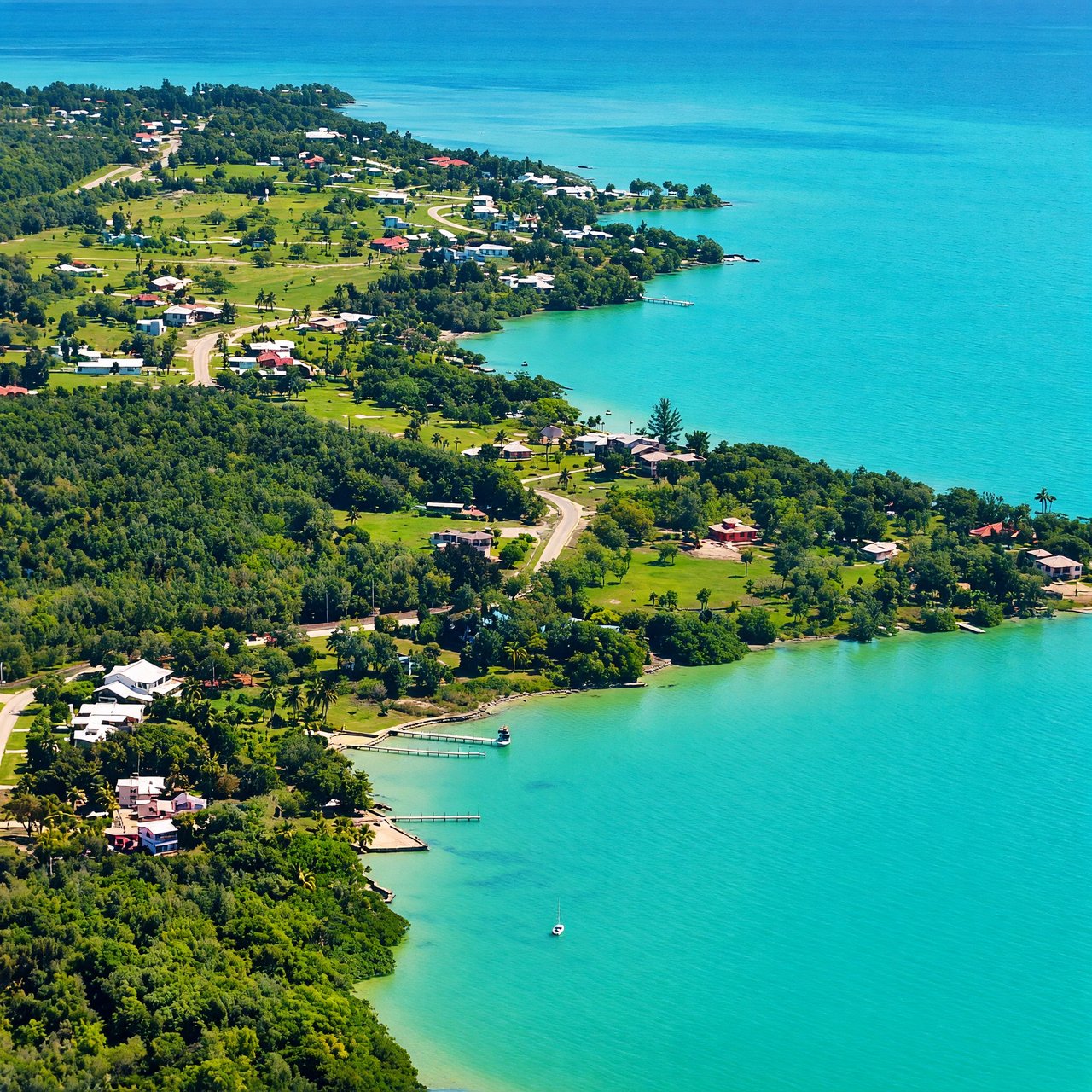
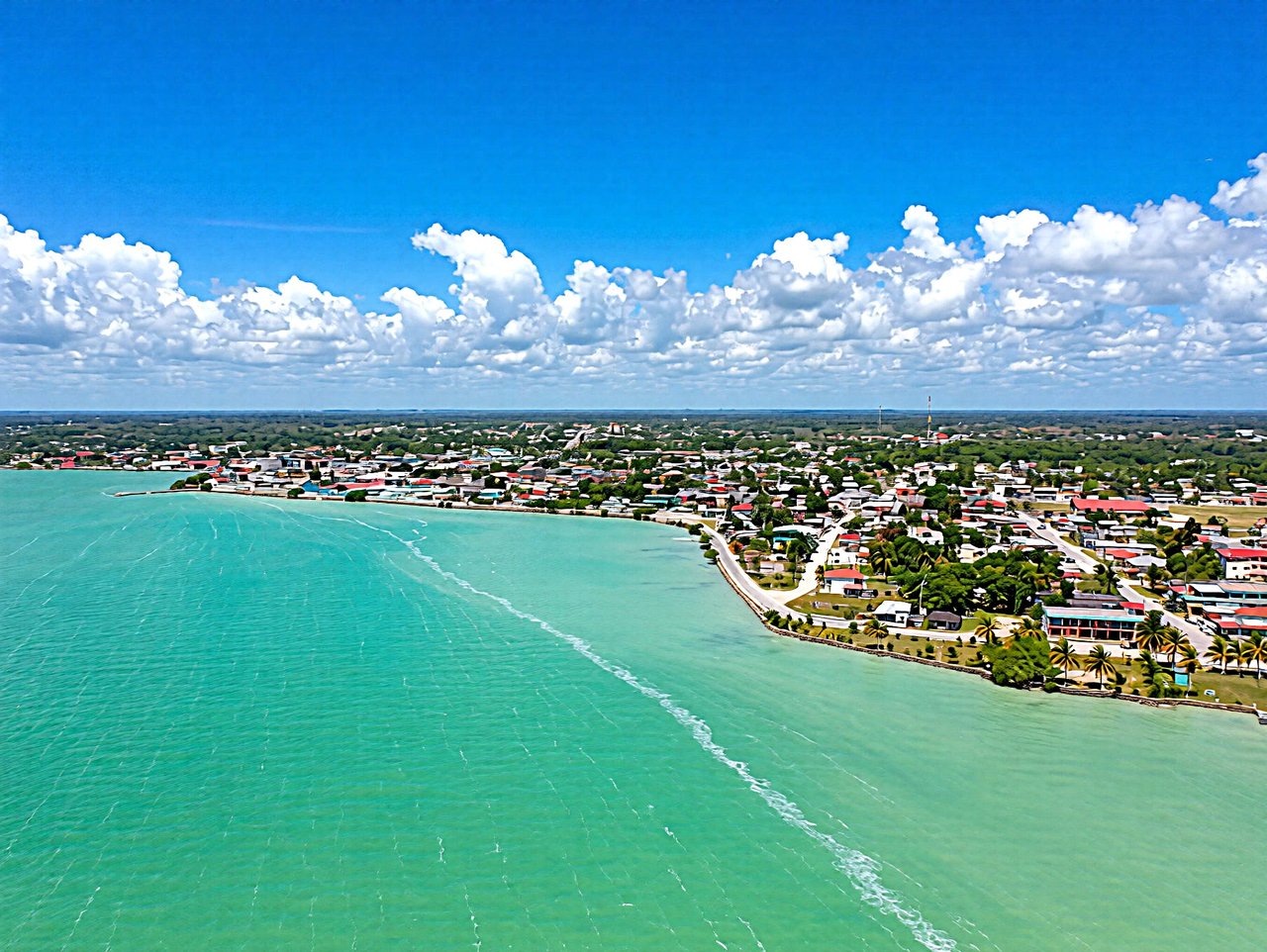
Sarteneja is the largest fishing village in Belize, and that identity runs on movement in and out by road as much as by boat. Boatbuilders like Juan Guerrero and Jacobo Verde still work from sheds along the village, continuing a wooden boat-building tradition that supplies working vessels seen as far as Haulover Creek in Belize City. Fishermen leave for weeks at a stretch to work the reef, then come home for the village's Easter Regatta, a sailing tradition that has run since 1950. None of that changes because of a road. But the trucks that bring fuel, parts, produce, and construction materials into the village, and the ones that carry catch and passengers back out toward Corozal, all cross that same 200 meters.
The village's small but organized tourism side depends on it too. The Sarteneja Tour Guide Association runs kayak rentals and manatee-spotting trips out to Corozal Bay Wildlife Sanctuary, and Wildtracks operates its manatee rehabilitation center in the village as part of a national conservation effort. Visitors reaching those programs by road, rather than by the Thunderbolt water taxi that runs between San Pedro and Corozal with a stop in Sarteneja, are making the same drive everyone else does. A road that holds up in the dry season and turns unreliable when the peat shifts affects a tour guide's booking calendar as directly as it affects a fisherman's supply run.
None of this is a story about a village waiting to be discovered. Sarteneja has had electricity, a fishing cooperative, and a functioning if imperfect road for a long time. This is a narrower story about one 200-meter engineering problem that has taken three attempts and is now being solved by the most aggressive method available, on a timeline that puts the finish somewhere around the end of this year if the piling holds. Anyone driving that stretch through the fall will be watching the same thing the ministry is: whether the piles reach refusal as intended.
For a village that knows this road well, that is the update worth having.
If you are curious about how infrastructure like this shapes property access and value across Ambergris Caye and the coastal districts, New Dawn Realty tracks these changes as part of its ongoing coverage of Belize's waterfront and resort markets. Reach out anytime you want a grounded, local read on what's actually happening on the ground.
Stay up to date on the latest real estate trends.
New Dawn Realty - Belize Coastal Community Series, Part 2
Belize Community by Community: A Property Guide by New Dawn Realty