Living in Corozal Town: A Practical Property Guide
October 8, 2026
October 8, 2026
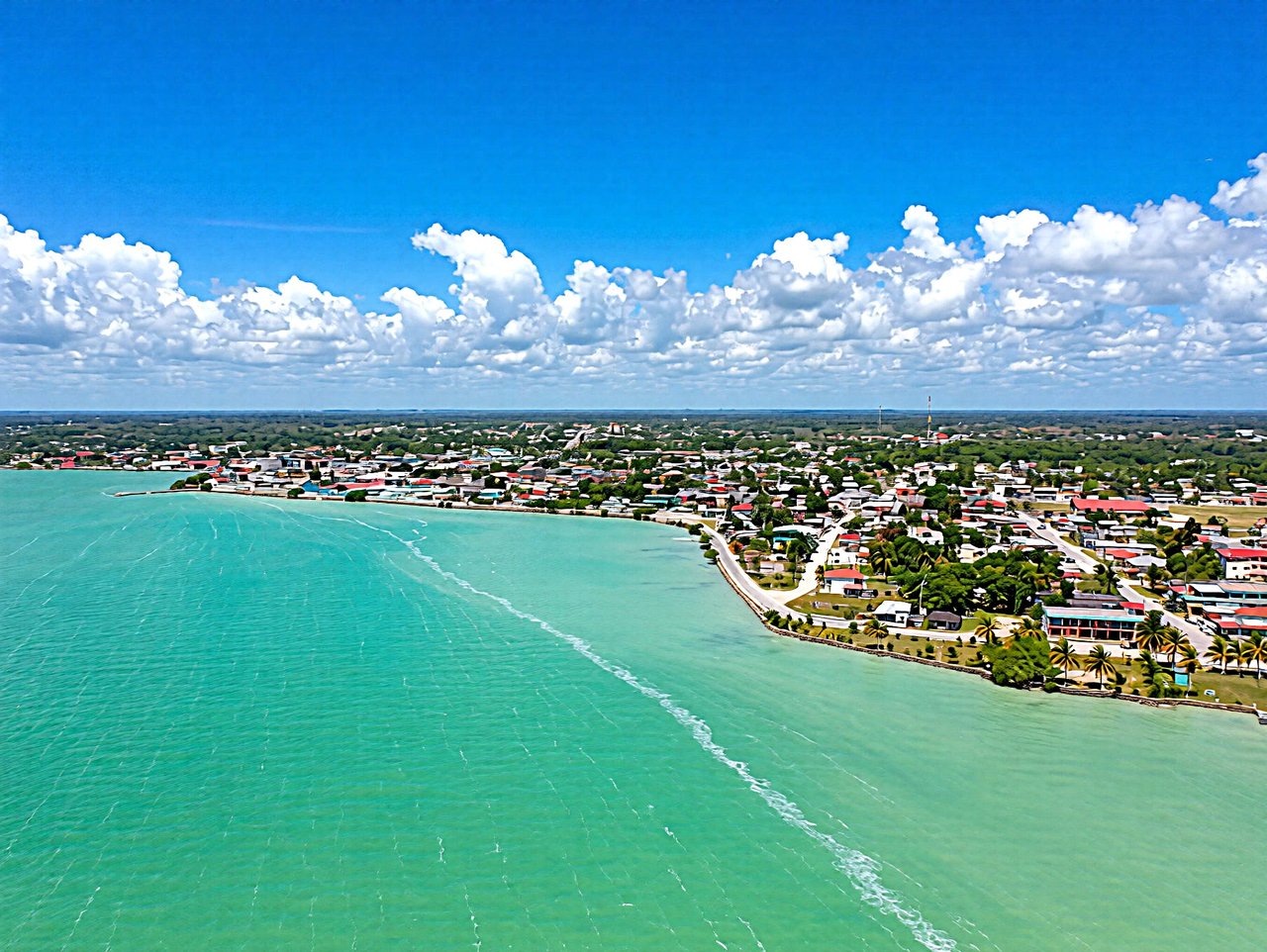
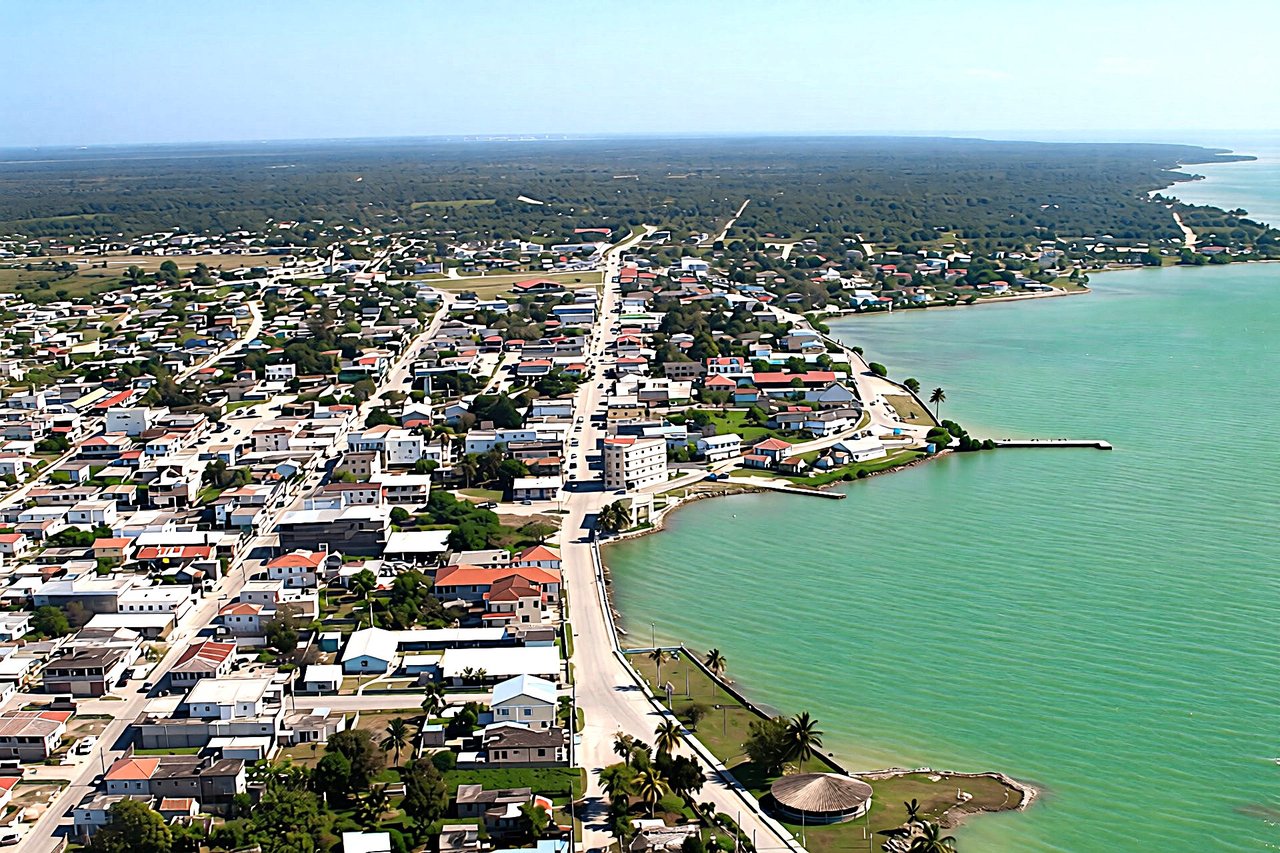
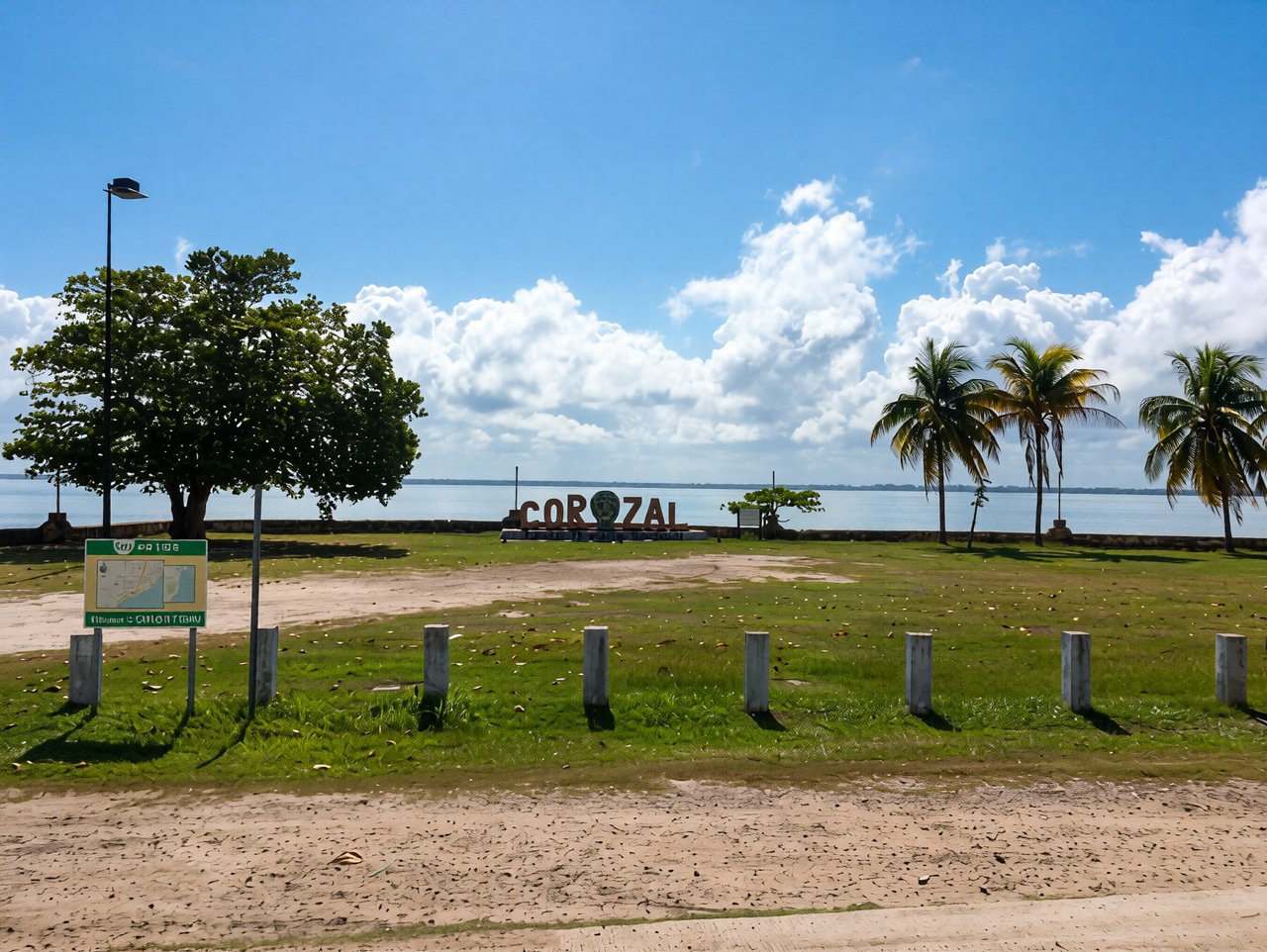
Living in Corozal Town starts with an appealing setting: a northern Belize town beside the bay and close to the Mexican border (Belize Tourism Board). Choosing a home here, however, should involve more than finding a view you enjoy. The more useful question is whether a particular property will support the way you want to live.
Perhaps you are planning a retirement move, buying your first home, returning to Belize, or looking for somewhere to spend part of the year. This guide offers a practical starting point for comparing locations, checking a property, and understanding what to investigate before making a commitment.
Corozal offers everyday amenities as well as a waterfront setting: local shops, eateries, banks, and a market feature in its town profile (Anywhere's Corozal guide). Plan an exploratory visit around ordinary tasks, not only property viewings. Buy groceries, find the services you would use, and spend time near a prospective home at different hours.
The Gabriel Hoare Market is one place to start; the Belize Tourism Board highlights its local fruits and vegetables and its window into community life (Belize Tourism Board). Include a market visit in your stay and consider how you would make that journey from the addresses on your shortlist.
For a different perspective, the Corozal House of Culture occupies a former town-market building dating to 1886 and now accommodates galleries, exhibits, and community activities (National Institute of Culture and History). Visiting places like this can help you look beyond the property itself. Ask yourself which aspects of local life you would want to participate in, rather than simply admire during a short stay.
A useful property brief starts with a normal week. Write down where you would need to go, what you would need at home, and which conveniences you are unwilling to compromise on.
Shopping and household errands: Identify your preferred grocery shops, market, banking options, and other regular stops. Test the journeys rather than relying on a listing's description of “nearby.”
Work and connectivity: Ask providers about service at the exact address. If you work remotely, test the connection where possible and investigate backup options.
Family routines: Confirm school arrangements, transport, outdoor space, and the suitability of the home's layout for your household.
Healthcare: Corozal Community Hospital has documented facility improvements, including its Accident and Emergency department and wards, reported by PAHO in March 2024 (PAHO). Confirm current clinical services, prescriptions, referral arrangements, and any specialist care you require directly with providers.
Proximity to Mexico is another feature of Corozal's location (Belize Tourism Board). If cross-border shopping, family visits, or appointments form part of your plans, check current entry requirements, vehicle arrangements, insurance, and realistic journey times before treating those trips as part of your routine.
Begin every viewing by confirming the property's exact location. Ask for a map pin and supporting parcel information, and clarify whether a listing describes Corozal Town itself or a location elsewhere in the district.
Then compare what matters to you at that address. A buyer prioritizing convenient errands may make a different choice from someone seeking a larger garden or more separation from neighbouring buildings.
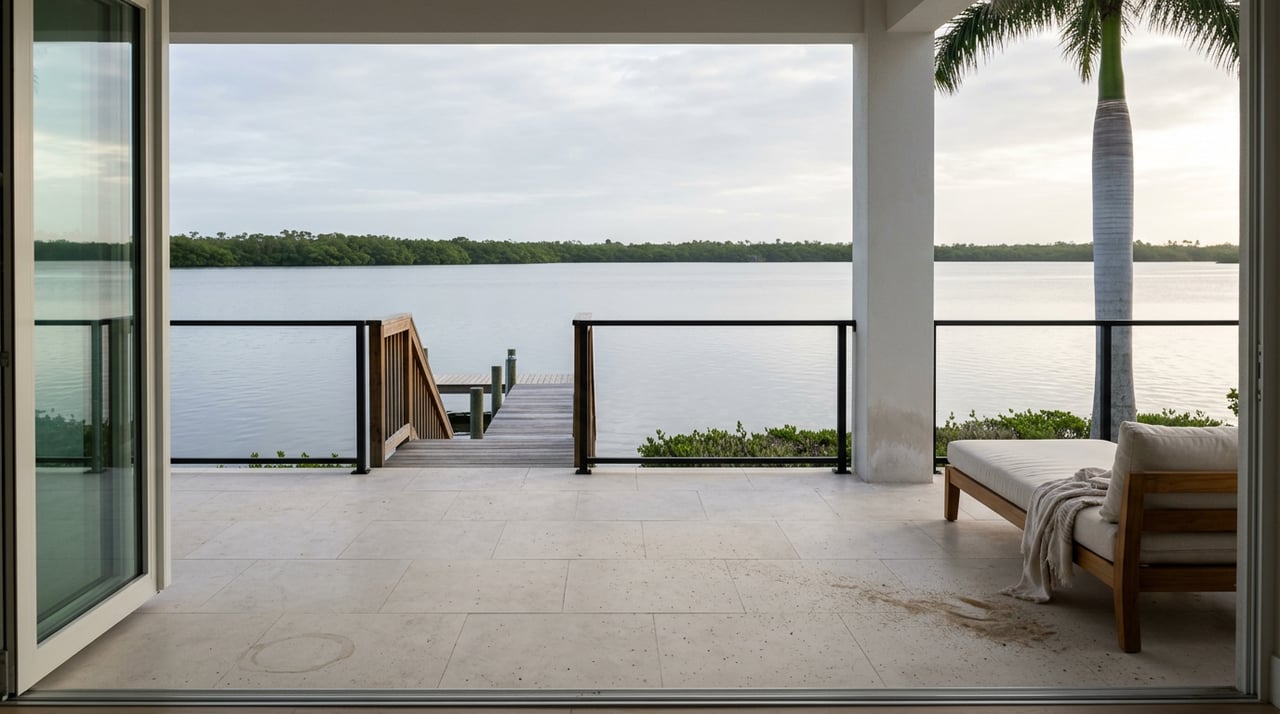
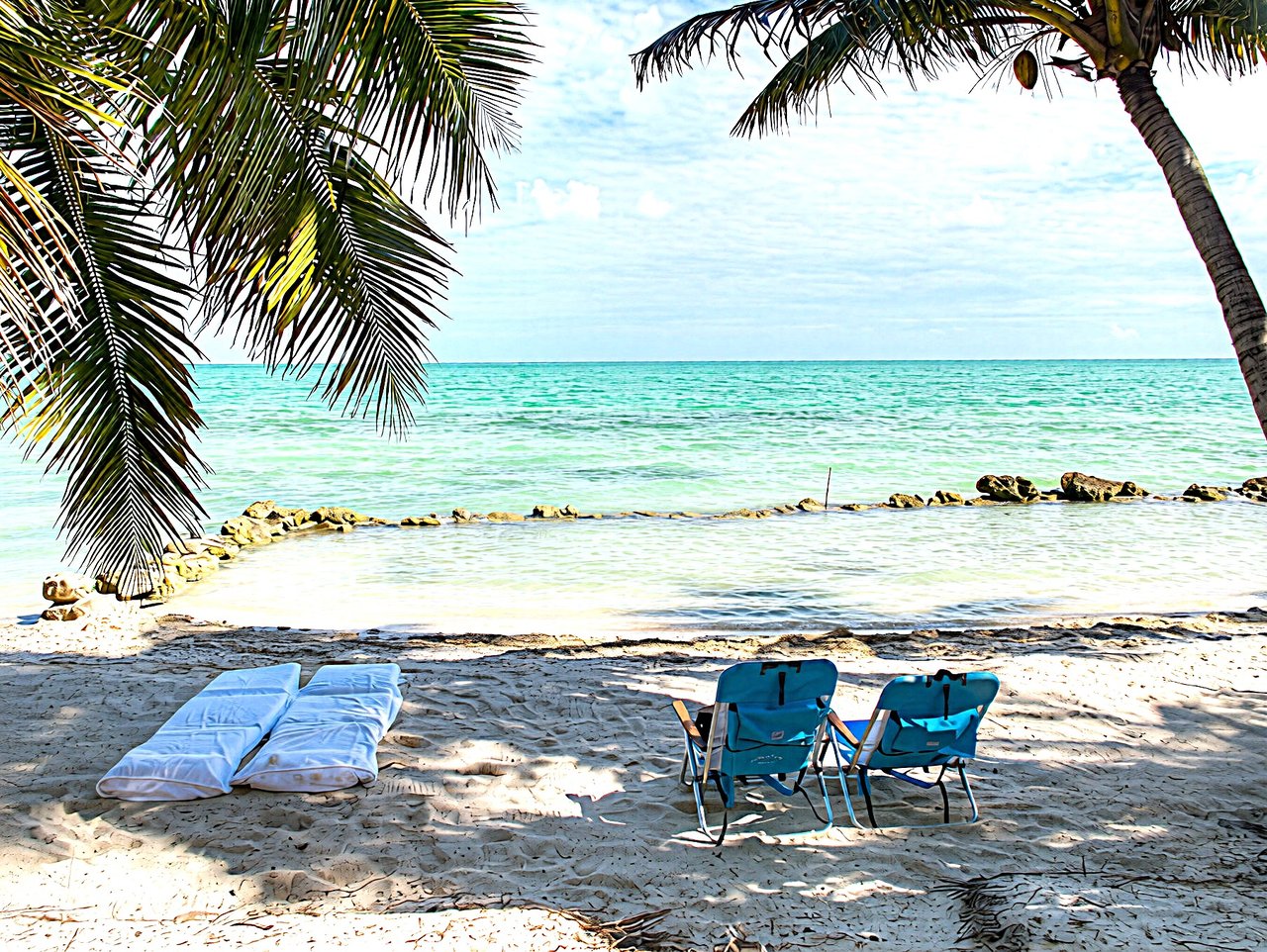
For any property advertised with a bay view or waterfront setting, distinguish the view from the rights being sold. Ask your lawyer and surveyor to establish the boundaries, lawful access, and any rights or restrictions associated with the water's edge; do not assume that a view includes private shoreline access or permission for a dock.
Treat the viewing as the beginning of due diligence, not its completion. A clear checklist will help you compare properties consistently and identify where professional advice is needed.
Ownership and boundaries: Have a qualified Belize attorney examine the ownership documents and relevant searches. Ask a surveyor to resolve any uncertainty between the records, markers, fences, and occupied land.
Access: Establish both the legal right to reach the property and the condition of the route. Ask who maintains any shared or private access.
Drainage and site history: Ask about standing water, past flooding, fill, and drainage works. Where possible, revisit after rain and obtain a professional assessment if the site's condition is uncertain.
Buildings and systems: Arrange an appropriate inspection of the roof, structure, electrical installation, plumbing, and wastewater arrangements. Request records of significant repairs or alterations.
Utilities and intended use: Confirm existing connections, outstanding charges, and any extension or upgrade costs. Before buying land or planning alterations, seek advice on the approvals and technical work your proposal would require.
Do not let an attractive purchase price replace these checks. For a vacant lot, request a preliminary budget for the work needed to make it suitable for your intended home, rather than comparing land prices alone.
Decide what you can comfortably spend before narrowing your shortlist. Keep the acquisition budget separate from the money needed for improvements and ongoing ownership.
Acquisition costs: Request written estimates for legal work, searches, surveys, applicable taxes and fees, and any financing costs.
Initial work: Price essential repairs, service connections, furnishings, security measures, and any accessibility changes.
Recurring costs: Obtain realistic figures for utilities, insurance, maintenance, transport, and property-related charges.
Absence arrangements: If you will live elsewhere for part of the year, budget for inspections, garden care, repairs, and someone to respond when needed.
Use quotations, bills, and professional advice wherever possible. An asking price alone is not enough to establish either affordability or value.
Approach your listing through the questions a careful buyer would ask. Attractive photographs deserve supporting information that makes the property easier to understand.
Prepare ownership documents, available survey information, accurate measurements, utility details, and records of significant improvements. Describe the location precisely and identify which nearby services a buyer can verify.
Where an issue needs attention, explain what is known and what remains to be investigated. Present a roof repair as a documented repair, for example, rather than describing the entire building as “fully renovated” unless that broader description can be supported.
Start with your healthcare needs, transport preferences, social interests, and housing budget. Spend time testing ordinary routines before deciding whether a particular location works for a permanent move.
Compare the full route to a usable home, not simply the two asking prices. Assess an existing building's condition against the design, approval, servicing, construction, and supervision work required for a lot.
Use online listings to build a shortlist, not to replace independent checks. Before committing, arrange appropriate inspections, document review, and reliable confirmation of the location and condition.
The right starting point is a clear brief: how you intend to use the property, the services you need, your comfortable budget, and the questions you still need answered. That brief gives your search a purpose beyond finding an appealing photograph.
Contact New Dawn Realty to discuss your Corozal Town property priorities and the next steps in building a shortlist. If you already own a property and are considering selling, ask how to present its location, condition, and practical benefits clearly to prospective buyers.
This article provides general property information, not legal, engineering, medical, or financial advice. Obtain current, property-specific advice from appropriately qualified professionals before committing to a transaction.


Stay up to date on the latest real estate trends.
Belize Community by Community: A Property Guide by New Dawn Realty