The Four Months Sarteneja Stops Being a Fishing Village
September 17, 2026
September 17, 2026
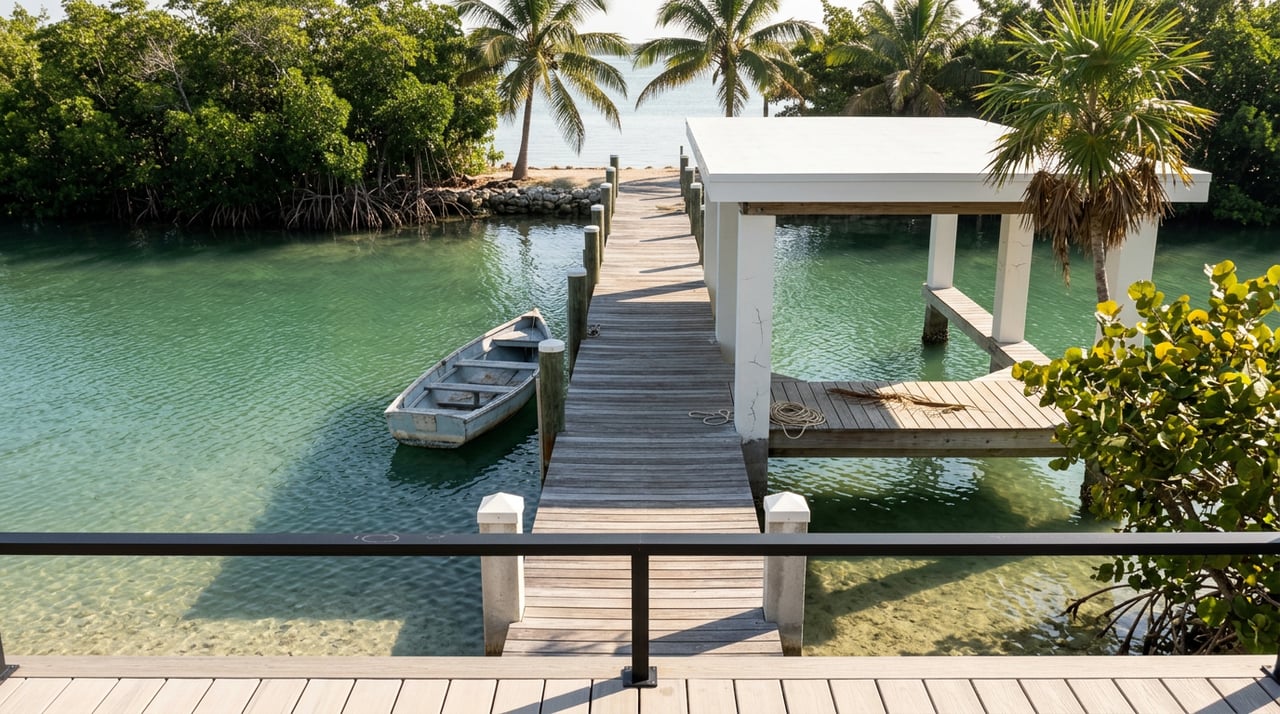
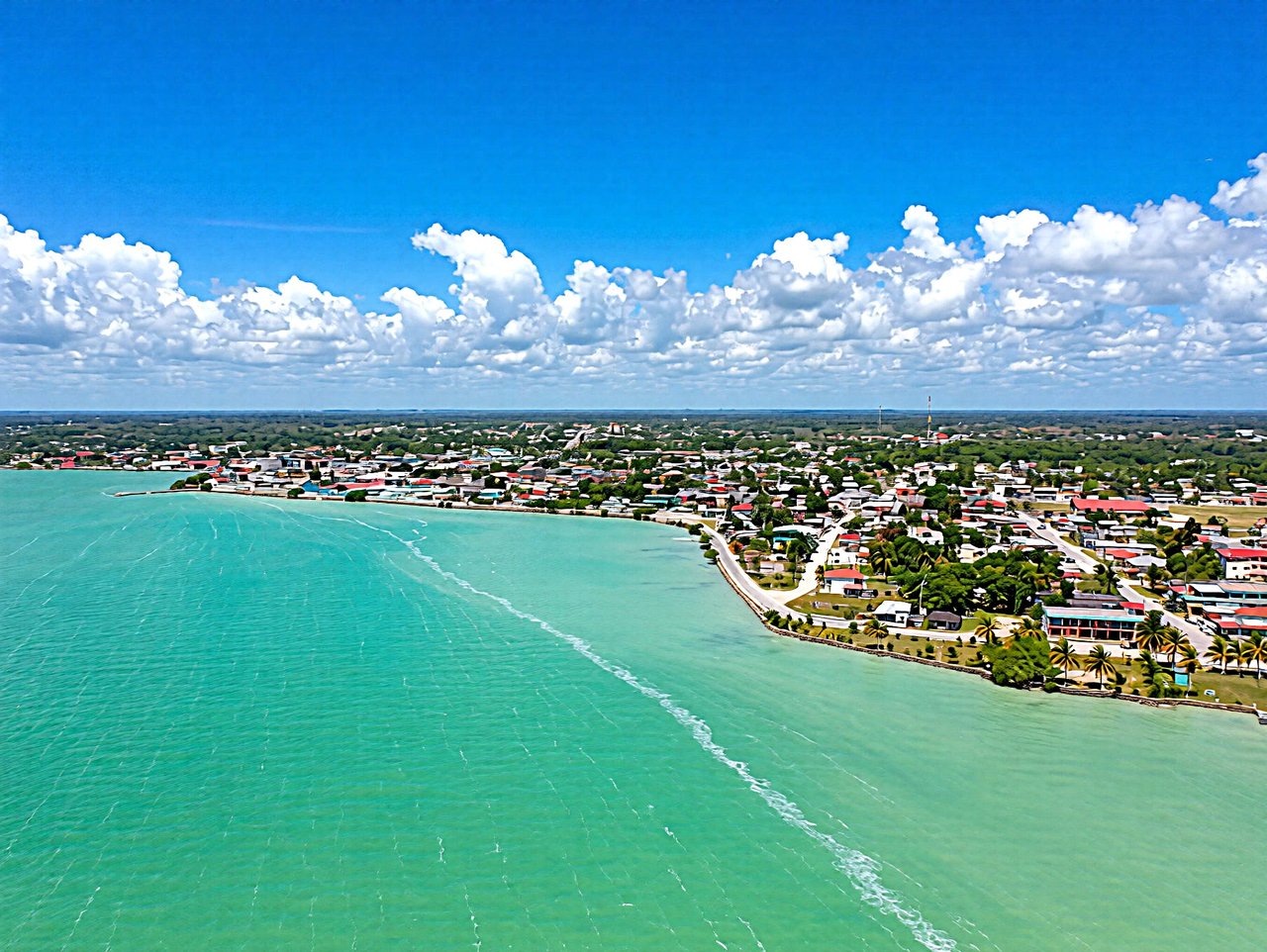
Ask anyone walking the waterfront in Sarteneja this week what the village sounds like, and they will tell you about outboard motors. It is mid-September, a couple of months into the open lobster season, and skiffs are coming and going from the municipal dock at odd hours, loaded with traps and coolers. Ask that same person in April, and they will describe something closer to silence, broken only by sanding and the occasional test-fit of a fresh coat of paint.
Sarteneja does not have one rhythm. It has two, and the switch between them is not seasonal in the way a Belizean might describe hurricane season or the dry months. It is set by law.
Belize's spiny lobster fishery closes every year from March 1 through June 30, reopening at midnight on July 1. The closure exists to protect the species during its main breeding period, and it applies everywhere in the country, not just here. But almost nowhere in Belize does it change the texture of daily life the way it does in Sarteneja, because Sarteneja is built on the fishery in a way that few other coastal villages are. Roughly eight in ten households here depend on what the reef produces, whether that is lobster, conch, or finfish.
For four months, that income source is legally off the table. Boats that would otherwise be at sea sit at the dock or get hauled up onto blocks in the yards behind the boatbuilding sheds. This is not a quiet inconvenience. It is a structural pause that the whole village has to work around, and understanding what fills that pause tells you more about how Sarteneja actually functions than any description of its sunsets or its market stalls.
The closure does not mean four months of nothing. It means four months of different work, some of it visible from the road and some of it easy to miss if you are only passing through.
None of this is a replacement for the fishery. It is what the village leans on while the fishery is legally paused, and the mix shifts every year depending on who has boats to fix, who has product to sell, and what Wildtracks has in intake at the time.
If you have heard of one thing happening in Sarteneja, it is probably the Easter Regatta. What gets described less often is why it lands where it does on the calendar and what that timing actually reveals.
The regatta has run every Easter Sunday since 1950, which means it falls squarely inside the four-month lobster closure every single year. The 2026 edition took place on Sunday, April 5, at Almendro Park, with sailboats competing in 20, 22, and 24-foot keel classes, a daytime set from One Love Band, and an evening Foam and Neon After Party with Gilharry 7 Band closing things out.
It is easy to read that as a festival built around sailing for its own sake. It is more accurate to read it as a byproduct of forced downtime. The boats racing that day are not decorative replicas. They are the same working vessels that spend the rest of the year hauling traps, freshly repainted because their owners had nowhere else to put four idle months. Sarteneja's shipwrights have built much of the traditional fishing fleet still visible today at Haulover Creek in Belize City, along with well-known sailing boats such as Sirena Azul in San Pedro, Ragga King and Ragga Gial, Blackhawk in Caye Caulker, Brujula in Hopkins, and Zayann. The regatta is the moment those boats get shown off in their best condition, right before they go back to work.
Not everything on the closure's clock is about fishing at all. Wildtracks and the Sarteneja Alliance for Conservation and Development co-manage the Corozal Bay Wildlife Sanctuary, the release site for manatees rehabilitated at the centre, and that work continues on its own schedule, independent of what the fishery is doing. The organization has spent recent years building out training partnerships with Belize's Fisheries and Forest Departments, developing formal manatee conservation plans for both Corozal Bay and Swallow Caye, and expanding its physical footprint in the village. None of that is timed to lobster season. It runs because manatee calves do not arrive on anyone's fishing calendar, and because a threatened species needs year-round attention regardless of what the boats are doing.
That is worth knowing if you spend real time in Sarteneja, because it means the village's identity was never only about fishing, even during the eight months when fishing is legal and visible. The conservation work has been quietly running underneath the fishing economy the entire time. The closure just makes it more visible by comparison, since there is less boat traffic competing for attention.
Right now, in September, Sarteneja is a little over two months past that reopening on July 1, well into a working season that will not pause again until next March. The docks are busy. The boatbuilding sheds are quieter than they will be come winter, when owners start thinking ahead to the closure and the regatta that follows it. If you are here in April instead, do not mistake the quiet for the village losing its footing. It is doing exactly what it does every year at that point in the calendar, just with different people doing different work.
Understanding that rhythm is useful for anyone who spends real time in this village, whether that means knowing when the market stalls will have the freshest catch, when the boatbuilding sheds are worth a visit, or simply why April in Sarteneja feels like a different place than September. The closure is not an interruption to village life. It is one half of it.
If you are exploring what ownership in a place like Sarteneja could look like, from waterfront lots to homes near the fishing cooperative's original grounds, New Dawn Realty can walk you through what is currently available and how the village's calendar affects everything from rental demand to renovation timing. Start Your Belize Property Search when you are ready, and bring questions about the seasons along with you.
This article is for general informational purposes only and is not intended as tax, legal, or financial advice. Buyers and residents should confirm current fishing regulations and conservation program details directly with the relevant Belizean authorities and organizations before making decisions based on seasonal timing.
Stay up to date on the latest real estate trends.
Belize Community by Community: A Property Guide by New Dawn Realty