How Naia HOA Fees Change With Bedroom Count
October 1, 2026
October 1, 2026
According to the Naia Residences FAQ, a lot owner at Naia Residences on the Placencia Peninsula pays two shares in the community's Owners Association at $250 each, a flat $500 a year. A two-bedroom home on that lot, by contrast, carries annual dues of $1,000 plus a 12.5 percent government tax, before any beachfront sargassum assessment is added. The land under the house never changed. The published figures show different dues for an undeveloped lot and a two-bedroom home.
That single fact reframes almost every conversation a buyer has about Naia's HOA being cheap. That low figure describes an undeveloped lot; buyers should verify the dues for a completed home.
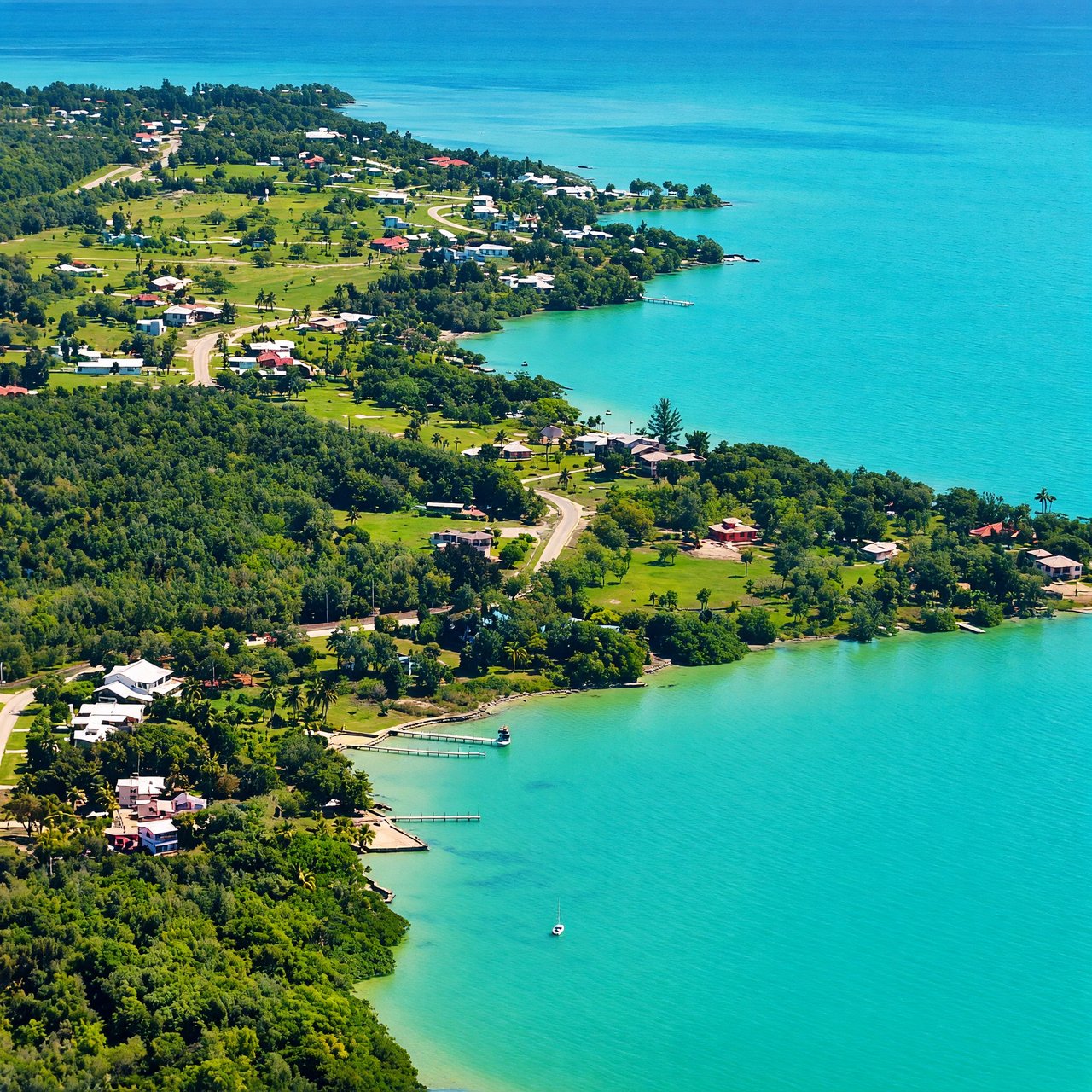
Naia Residences sits at mile 17.5 on the Placencia Road, a 224-acre master-planned community that runs from the Caribbean Sea to the Placencia Lagoon, with two-thirds of the acreage held as forest and lagoon reserve. Naia Resort and Spa occupies 19 acres of that footprint along roughly 2,000 feet of beachfront, and lot or home owners get the same access to the resort's restaurants, spa, fitness center and yoga studio that paying guests do, plus discounts on top of it.
A brokerage listing for a lagoon-facing lot at Naia describes it as having among the lowest HOA fees on the Placencia Peninsula. That claim is defensible on its face. Two shares at $250 works out to roughly $42 a month, which is genuinely low for a gated, staffed, 24-hour-security community with underground utilities and a private water treatment system. But that figure describes a share structure for undeveloped land. It is not the number a buyer should carry into a mortgage calculator once they start pricing an actual house.
The developer's FAQ lists two shares for a lot at $250 each and gives the annual dues for a two-bedroom home. The published figures are:
| Configuration | Shares | Annual HOA (before tax) |
|---|---|---|
| Unbuilt lot | 2 | $500 |
| 2-bedroom home | 4 | $1,000 |
Beachfront lots carry one more layer. A separate special assessment of $500 a year funds beach cleaning, specifically to manage the sargassum seaweed that has affected Caribbean and Gulf coastlines over recent years. That separate assessment means a beachfront buyer's listed carrying costs include an additional $500 a year.
Anyone who has walked Naia's lot map has noticed the gap between sold parcels and finished houses. The developer's own numbers, as of 2020, showed 57 home sites sold against 23 homes completed or under construction. That's a ratio worth sitting with: fewer than half the sold lots had anything built on them years after the community's utilities and roads were finished in 2008.
Land banking explains part of that gap on its own. Buyers purchase a second-home lot, intend to build eventually, and life intervenes. But the HOA structure gives land banking a financial logic that plain procrastination doesn't. Holding an unbuilt lot at Naia costs $500 a year in dues plus a property tax on the Placencia Peninsula of just $50 per acre per year. The published figures show a higher dues amount for a two-bedroom home than for an unbuilt lot. A buyer weighing a smaller footprint against a larger one should compare the dues figures for the home they plan to build.
This isn't a criticism of the fee structure itself. A buyer comparing Naia to another Placencia development purely on a quoted HOA number is comparing an incomplete figure unless they compare it with the published dues for a home rather than an undeveloped lot.
HOA dues aren't the only place where the sticker price and the closing bill diverge. Belize levies an 8 percent transfer tax on land purchases, calculated on the net purchase price after the 12.5 percent General Sales Tax the developer has already paid is deducted, and after the first $10,000 of value is exempted. The developer's own worked example: a $200,000 lot nets out to $177,777.77 after the sales tax deduction, then loses the first $10,000 exemption, leaving $167,777.77 subject to the 8 percent rate. That comes to $13,422.22 in transfer tax.
That figure matters for the same reason the bedroom math does. It's a cost that shows up at the closing table, not on the marketing page, and it changes the real cash a buyer needs on hand versus the number quoted for the lot itself.
For buyers who want to spread that cost out, Naia offers financing on non-beachfront home sites: 20 percent down with the balance amortized over ten years at 9.9 percent, with room to negotiate a better rate for a larger down payment.
A buyer who has already compared median prices across Placencia's peninsula and is now looking at Naia specifically should ask for the following in writing before making an offer:
None of these questions are unusual for a resort-community purchase. What makes them worth asking specifically at Naia is that the published figures differ between an unbuilt lot and a two-bedroom home. A buyer estimating dues for a planned home should ask for the applicable figure rather than rely on the lot-only amount.
Does the HOA fee change if I add a bedroom later, after the house is already built? A buyer should confirm this directly with the Owners Association rather than assume the published figures settle how a renovation would affect dues.
Is the sargassum fee unique to Naia, or does every Placencia beachfront property pay something similar? Naia's fee schedule describes a $500 annual beach-cleaning assessment. Sargassum has affected beaches across the wider Caribbean and Gulf Coast in recent years, so cleaning costs are a shared regional issue; buyers can compare the arrangements at other developments.
If I buy a lot now and don't build for several years, do my dues stay at the two-share rate the whole time? The published figures list the two-share annual rate for an unbuilt lot. A buyer should confirm with the Owners Association how dues may change if they build.
Buying at Naia, or anywhere on the Placencia Peninsula, means signing up for a fee schedule with its own logic, not just a number on a spec sheet. If you're comparing Naia against other Belize communities and want the bedroom math run against your actual floor plan before you make an offer, New Dawn Realty can walk through the full carrying-cost picture with you, lot by lot.
This article is general information, not legal, tax or financial advice. Consult a qualified professional about your situation.
Stay up to date on the latest real estate trends.
New Dawn Realty - Belize Coastal Community Series, Part 2
Belize Community by Community: A Property Guide by New Dawn Realty