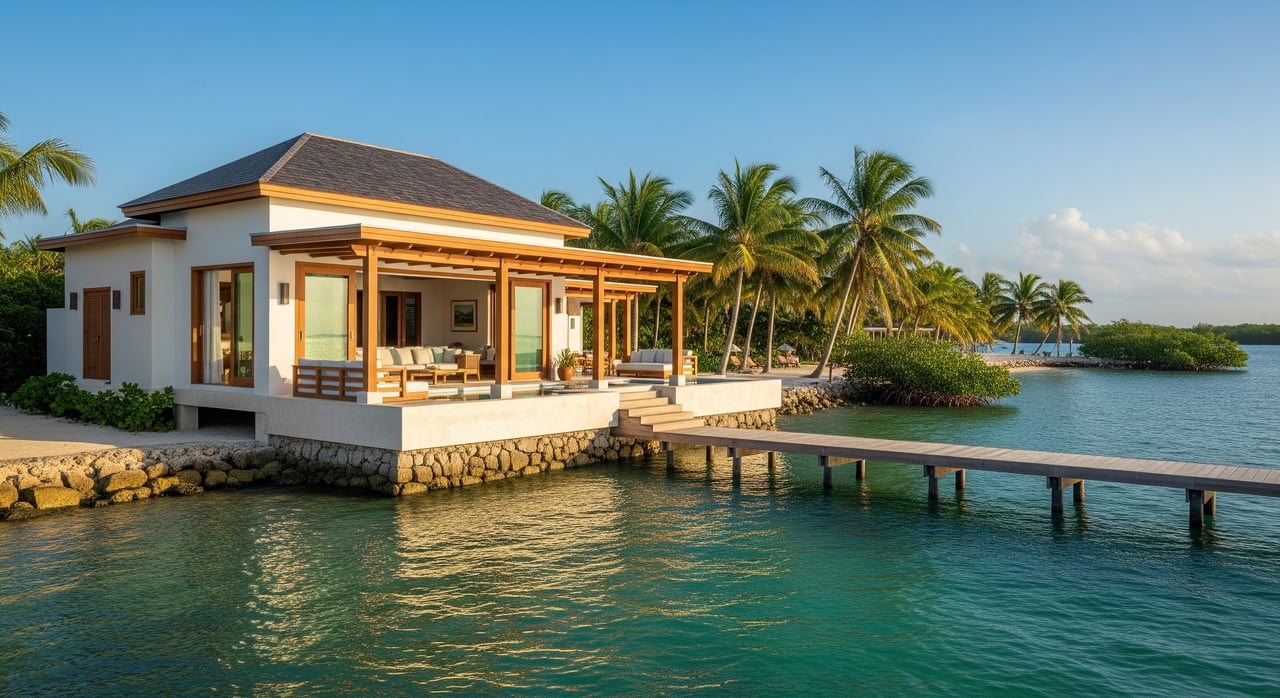
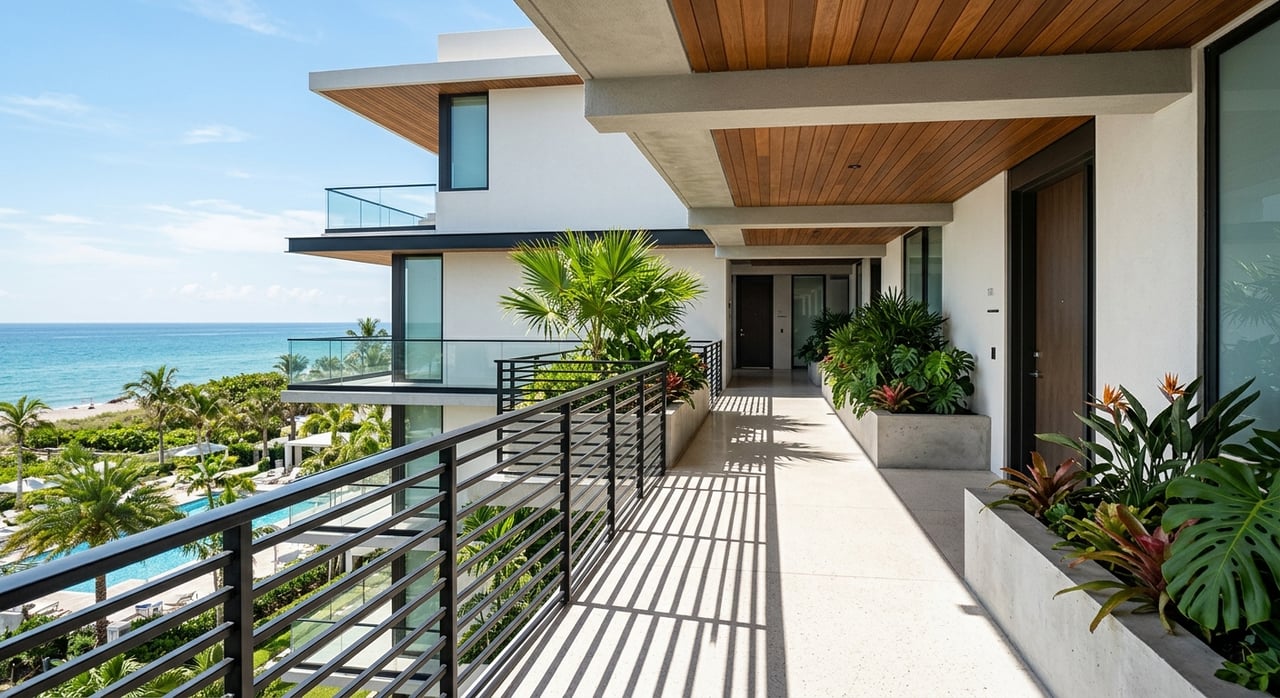
Trying to decide whether to build your dream waterfront home in Dangriga or buy an existing one? It’s a big call, especially when you factor in coastal regulations, hurricane resiliency, rental timing, and total carrying costs. You want a place that fits your lifestyle and, for many, a property that can pay its way in peak season.
This guide breaks down the real differences in Dangriga: title and setbacks, permitting, timelines, construction logistics, cash flow, and risk. You’ll see where each path shines, where it stumbles, and how to plan with confidence. Let’s dive in.
Build new vs. buy: quick take
- Buying an existing home usually gets you on the water sooner, with less downtime before you can live in it or rent it. Renovations can extend that timeline.
- Building new delivers customization and modern, hurricane‑ready features but takes longer and requires more upfront planning and oversight.
- In Dangriga, utilities, shoreline conditions, and permit steps matter. These can tilt the decision either way based on your goals and time horizon.
Title, setbacks, and shoreline rules
Before you compare houses and floor plans, confirm the land status:
- Verify title type and encumbrances. Belize allows freehold ownership for non‑residents, but you must confirm title status, easements, and access rights.
- Check coastal setbacks and foreshore rules. Public access to beaches and coastal public trust issues can affect where you can build and how you can fence or landscape.
- Confirm mangrove and wetland protections. Mangroves are protected. Clearing or shoreline alterations may require approvals.
- Order a current survey and review shoreline change. Historical erosion and storm exposure can impact both build feasibility and insurance.
Permits and timeline in Dangriga
Expect distinct steps for coastal property:
- Typical sequence includes a site survey, planning approvals, environmental screening when required, building permit, and utility connection permits. Shoreline structures like docks or seawalls need additional reviews.
- Local touchpoints include the Dangriga municipal office or town council for planning and the Lands Department for title and land category. Environmental questions typically route through national agencies.
- Timelines vary. Buying an existing home can move from offer to close in roughly 6 to 16 weeks, plus 2 to 8 weeks for minor upgrades. A ground‑up build commonly runs 9 to 24 months from land purchase to move‑in, depending on design complexity and reviews.
Construction on the coast
Waterfront builds have unique logistics and quality considerations:
- Foundations and elevation. Coastal soils and flood exposure often call for elevated slabs or pilings. A geotechnical review is wise.
- Materials and sourcing. Hurricane‑rated windows, treated timbers, and marine‑grade hardware are common, and some items may need to be imported. Lead times can affect schedule.
- Skilled labor and contracting. Choose contractors with true coastal experience and clear contracts that spell out scope, milestones, and dispute procedures.
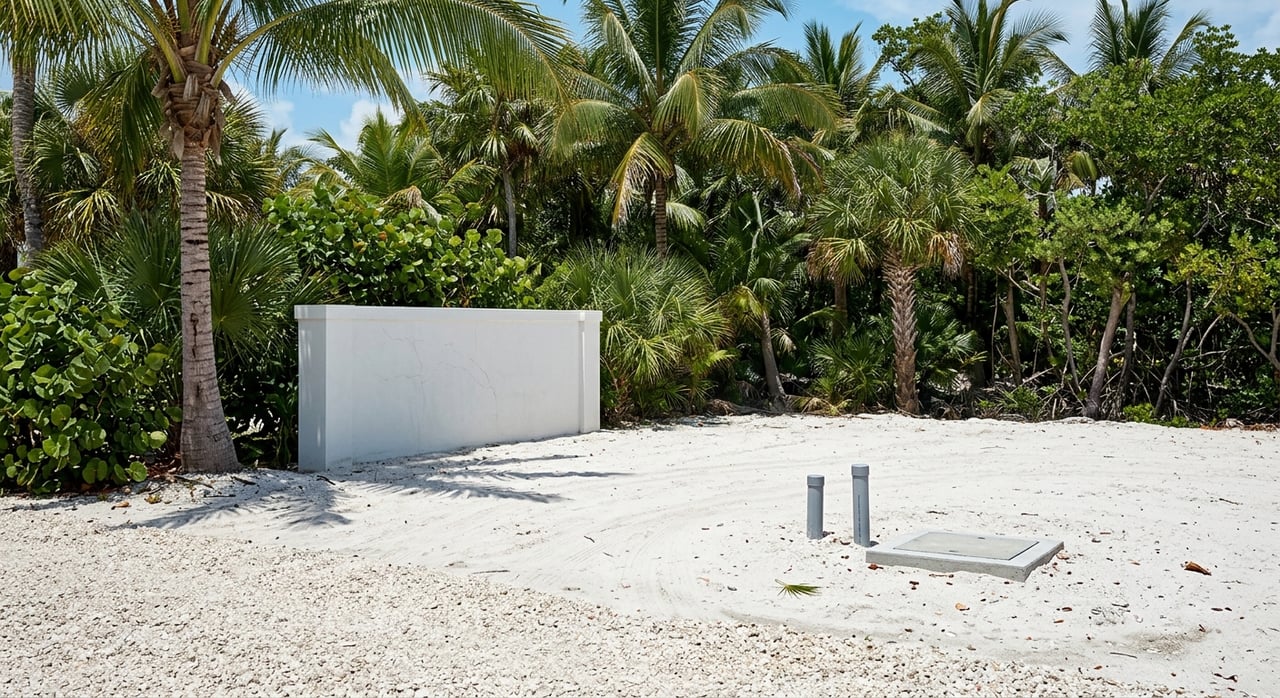
- Utilities. In-town grid power is common, but reliability and extension to specific lots can vary. Many properties use wells, cisterns, or trucked water and septic systems. Internet has improved but can be inconsistent compared with major hubs.
Carrying costs and cash flow
Plan for all costs from day one:
- Building new: landholding costs, design and permit fees, interim financing, insurance, security, and utilities during the build. There is no rental income until completion.
- Buying existing: mortgage interest, insurance, taxes, and maintenance begin right away, but you may generate income much sooner. Renovation downtime depends on project scope.
- Operating costs post‑completion: expect higher insurance, corrosion‑related maintenance, and shoreline upkeep for waterfront properties.
Rental timing and seasonality
If you plan to rent short‑term, timing matters:
- Dangriga benefits from cultural tourism and access to reef and eco‑tourism, but it is smaller than nearby Placencia or Hopkins. Occupancy and nightly rates depend on your property class, marketing, and proximity to attractions.
- Belize’s high‑demand season generally runs from November through April. Completing a build or major renovation before this window can improve first‑year revenue.
- Renovations can sometimes be phased to keep partial occupancy. Ground‑up builds mean full downtime until the occupancy permit is issued.
Cost comparison framework
Instead of guessing, build two side‑by‑side totals.
- Existing‑home total: purchase price + closing/legal + immediate upgrades/repairs + financing/carrying for your downtime + initial furnishings + contingency.
- New‑build total: land price + surveys/permits + design fees + construction hard costs + shoreline works + interim financing/insurance/security + furnishings + contingency.
Add a simple break‑even check: total project cost divided by estimated annual net rental income equals years to recoup, excluding appreciation. Keep assumptions conservative and pressure‑test with local property managers.
Risks and how to mitigate them
- Environmental and climate. Hurricanes, storm surge, and erosion are realities. Choose stable shoreline, prioritize elevated design, and respect coastal setbacks. Landscape for resilience and avoid illegal mangrove clearing.
- Legal and title. Use a local attorney for a fresh title search and contract review. Confirm boundaries with a recent survey.
- Construction execution. Delays and quality issues can happen. Use detailed contracts, staged payments tied to inspections, and reputable coastal contractors. Hold retention until punch lists are complete.
- Market revenue. Model conservative occupancy and rates. Work with a capable property manager and target Dangriga‑appropriate guest segments such as cultural, dive, and eco‑travelers.
- Insurance availability and cost. Coastal premiums are higher, especially for wind and flood. Get quotes early. Insurers may require elevated foundations and impact‑rated openings.
Signals to buy existing
Buying may be your best fit when you:
- Want to use or rent the home soon and avoid a long construction cycle.
- Prefer a known structure you can inspect and tweak with targeted upgrades.
- Find a site with proven shoreline stability and compliance already in place.
- Value simpler financing and clearer near‑term cash flow.
Signals to build new
Building often wins if you:
- Want full customization, modern energy features, and hurricane‑ready design from day one.
- Are comfortable with a longer timeline and can carry costs during construction.
- Have a specific lot with strong fundamentals such as access, utilities, and stable shoreline.
- See long‑term value in a purpose‑built home geared to your lifestyle or rental brand.
Dangriga due‑diligence checklist
Use this shortlist before you choose a path:
- Confirm title type, encumbrances, and a current survey.
- Verify coastal setback, public access, and any foreshore constraints.
- Order a soil and geotechnical review for waterfront foundation design.
- Screen environmental impacts for mangrove or shoreline works.
- Get written utility availability and connection costs for power, water, wastewater, and internet.
- Collect at least three local estimates for construction or major renovations.
- Seek insurance quotes based on the property or proposed design.
- Ask local managers or brokers for rental benchmarks on occupancy and rates.
- Build a cash buffer: 10 to 20 percent contingency plus extra months of carrying costs.
How New Dawn can help
You want a clear plan, trusted pros, and a smooth cross‑border process. Our role is to connect you with vetted local attorneys, surveyors, architects, contractors, insurers, and property managers, while guiding you through the numbers and the timeline that fit your goals. Whether you end up buying turnkey or building your vision from the ground up, you can move forward with clarity and confidence.
Ready to compare specific Dangriga options side by side? Start a conversation with Dawn Young for local guidance and a plan tailored to your timeline and budget.
FAQs
Can foreigners buy Dangriga waterfront property?
- Yes. Belize allows foreign ownership, but you should verify title type, easements, and any shoreline or crown land issues with a local attorney and a current title search.
What is faster for rental income in Dangriga?
- Buying a move‑in‑ready home is usually fastest to cash flow. Building new means full downtime until completion, while renovations on an existing home can sometimes be phased.
Do I need special permits for docks or seawalls?
- Yes. Shoreline structures typically require additional reviews and environmental approvals separate from the standard building permit.
How much contingency should I plan for a coastal project?
- A minimum of 10 percent is common, while 15 to 20 percent is prudent for coastal builds due to site conditions and imported materials.
What utilities should I expect on the waterfront in Dangriga?
- Grid electricity is common in town, but extension to specific lots varies. Many properties use wells, cisterns, or trucked water plus septic, and internet service can be inconsistent compared with larger centers.