Branded Residences in Belize at Marriott Ambergris Caye
January 1, 2026
January 1, 2026
Thinking about buying into a Marriott-branded residence in Belize, but not sure how it really works? You are not alone. Branded residences promise hotel-level service, rental support, and resale visibility, yet the details matter in a coastal market like Ambergris Caye. In this guide, you will learn how branded residences function, what to verify before you buy, the costs and rules to expect, and how to weigh potential rental and resale benefits using a Marriott-style project in San Pedro as your case study lens. Let’s dive in.
Branded residences are privately owned homes that carry a hotel brand’s name and standards. You typically get professional management, access to hotel amenities, and a design program that keeps units consistent. In return, you agree to rules and fees that support hotel-style operations.
Two common structures appear on island resort projects:
Brands bring standards, staff training, reservation systems, marketing reach, and quality control. Your experience and rental performance depend on how well those systems are implemented on site and what the contracts say.
Pros to consider
Tradeoffs to weigh
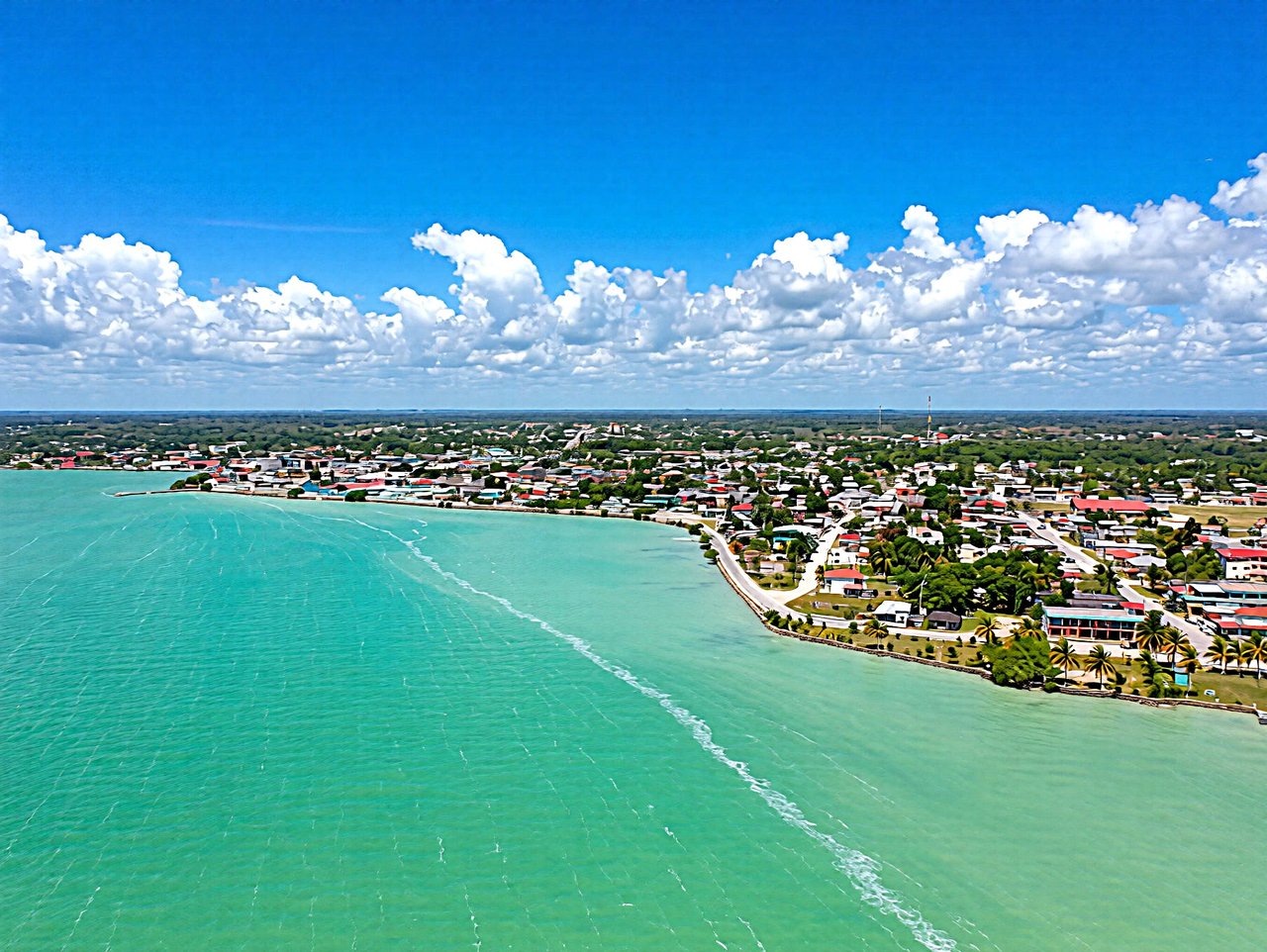
Ambergris Caye is Belize’s most visited island, centered on San Pedro town in Belize District. The proximity to the Belize Barrier Reef draws divers, snorkelers, anglers, and eco travelers. That steady tourism base often supports second-home demand and short-term rentals, which is why branded residences show up here.
Typical buyer motivations on the island include resort lifestyle, turnkey management for absentee ownership, and reliable guest services for family and rental guests. If you want a low-friction, hotel-serviced vacation home, this model can fit.
If you are evaluating a Marriott-branded project on Ambergris Caye, treat the brand as a starting point, not a guarantee. Verify the basics directly with the developer and manager. Ask for proof that the brand agreement is fully executed, not just a press mention, and confirm permits, titles, and construction status.
Key confirmations:
In many branded residences, the developer or owners association contracts with the brand or its affiliate to operate the hotel and rental program. Fees typically include a base management fee, an incentive fee tied to performance, and brand-related costs such as marketing and reservation fees. In license-only setups, the brand sets standards while a third party runs daily operations. Your owner experience and returns hinge on who operates and how incentives are aligned.
Condo-hotel projects often have:
Branded condos with optional rental programs still enforce standards and may require specific furniture packages, housekeeping protocols, and turn-key readiness when in rental.
Most branded projects include these cost categories:
Ask for definitions of each fee, how they are calculated, and who approves increases.
Brand association can help with resale by widening the buyer pool and signaling consistent standards. It can also improve rental visibility through global reservations and loyalty channels, depending on the agreement. At the same time, heavy fees and strict rules can deter buyers who want a more private, independent second home.
If hotel performance drops or the brand exits, the perceived premium may fade. Review termination clauses and remedies so you understand what happens to the brand and operations over time. Check whether the project has right-of-first-refusal or transfer restrictions that affect resale.
Belize uses a registered land system. Hire a local attorney and licensed surveyor to confirm title registration, boundaries, and any encumbrances. Obtain an independent title report and confirm filings with the relevant authorities.
Coastal setback rules, mangrove regulations, protected areas, and reef protections can shape development and operations. Request copies of environmental approvals and building permits. Ask how the project complies with coastal and marine rules and how that affects future development phases.
Coastal properties should be built and insured for windstorm and hurricane exposure. Confirm building code compliance, wind ratings, and the scope of the master insurance program. Ask for owner policy requirements and obtain sample quotes for wind, hurricane, and flood coverage.
The Belize dollar is pegged to the U.S. dollar at 2:1. Confirm property tax structure, stamp duties at acquisition, and any tourism or business license taxes for short-term rentals. Use a Belize attorney or accountant to understand withholding rules and repatriation of rental income for nonresidents.
Ask for these items early in your review:
Project status and governance:
Operations and economics:
Owner costs and reserves:
Resale and transfers:
Brand and marketing reach:
Financial protections:
Clarify your goal. Decide whether you prioritize lifestyle, rental income, or resale flexibility so you can judge tradeoffs clearly.
Verify the brand. Request the executed management or license agreement and confirm the operator’s role and term. Do not rely on marketing summaries.
Model total cost. Build a simple 3-scenario budget for conservative, base, and strong years. Include HOA, management, marketing, housekeeping, reserves, insurance, and taxes.
Test owner-use rules. Confirm blackout dates, minimum stays, furniture standards, and turn-key requirements that apply when the unit is in the rental pool.
Confirm legal and environmental approvals. Review title, permits, surveys, and environmental clearances with a Belize attorney and local surveyor.
Check insurance and hazards. Verify wind ratings, master policy detail, and owner coverage requirements. Price insurance with a regional broker before you commit.
Plan your exit. Review resale restrictions, ROFR, transfer fees, and termination clauses that could affect liquidity or brand continuity.
A brand premium can be justified when hotel operations are aligned with owner interests, fees are transparent, and the brand’s reservation and loyalty systems actively drive occupancy. You should see clear standards, credible audited reporting once operations begin, and a practical path for owner use without eroding rental performance. If documents are incomplete or control is overly concentrated without checks and audits, press pause.
Buying a branded residence on Ambergris Caye should feel clear and supported from first call to post-closing operations. You deserve transparent financials, strong local representation, and one team to help you own and operate with confidence. If you want guidance that blends on-island expertise with North American brokerage standards, connect with Dawn Young to Start Your Belize Property Search.
Stay up to date on the latest real estate trends.
New Dawn Realty - Belize Coastal Community Series, Part 2
Belize Community by Community: A Property Guide by New Dawn Realty