Sarteneja Belize Eco Resort Land: Planning a Private Retreat
June 18, 2026
June 18, 2026
Dreaming of a quiet place where the road ends, the water begins, and your property is shaped more by nature than by crowds? If you are considering an eco-retreat or private haven in Sarteneja, you are likely looking for more than a standard beach property. You want privacy, land potential, and a setting that rewards thoughtful planning. This guide will help you understand what makes Sarteneja appealing, what to verify before you buy, and how to think about building in a way that fits the area. Let’s dive in.
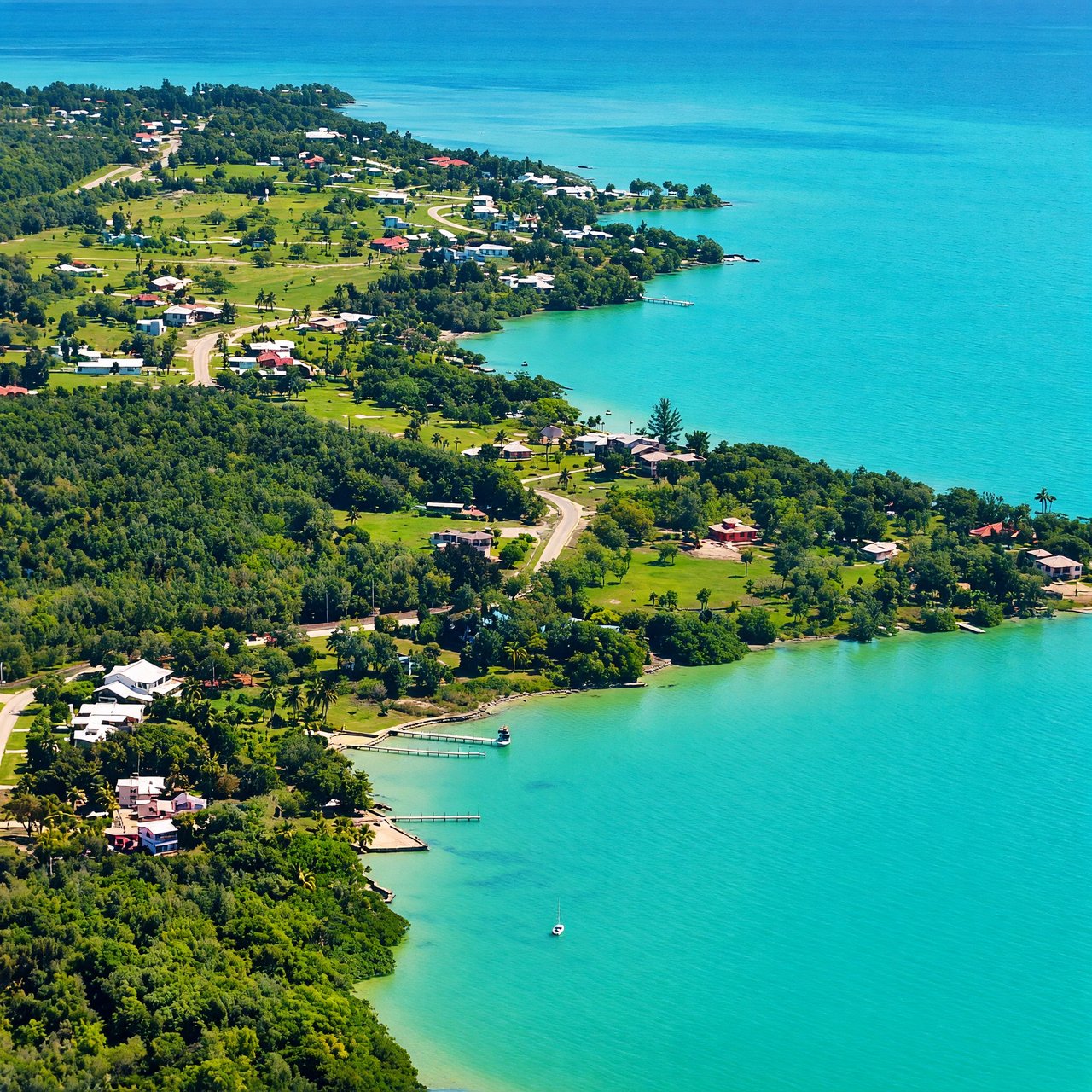
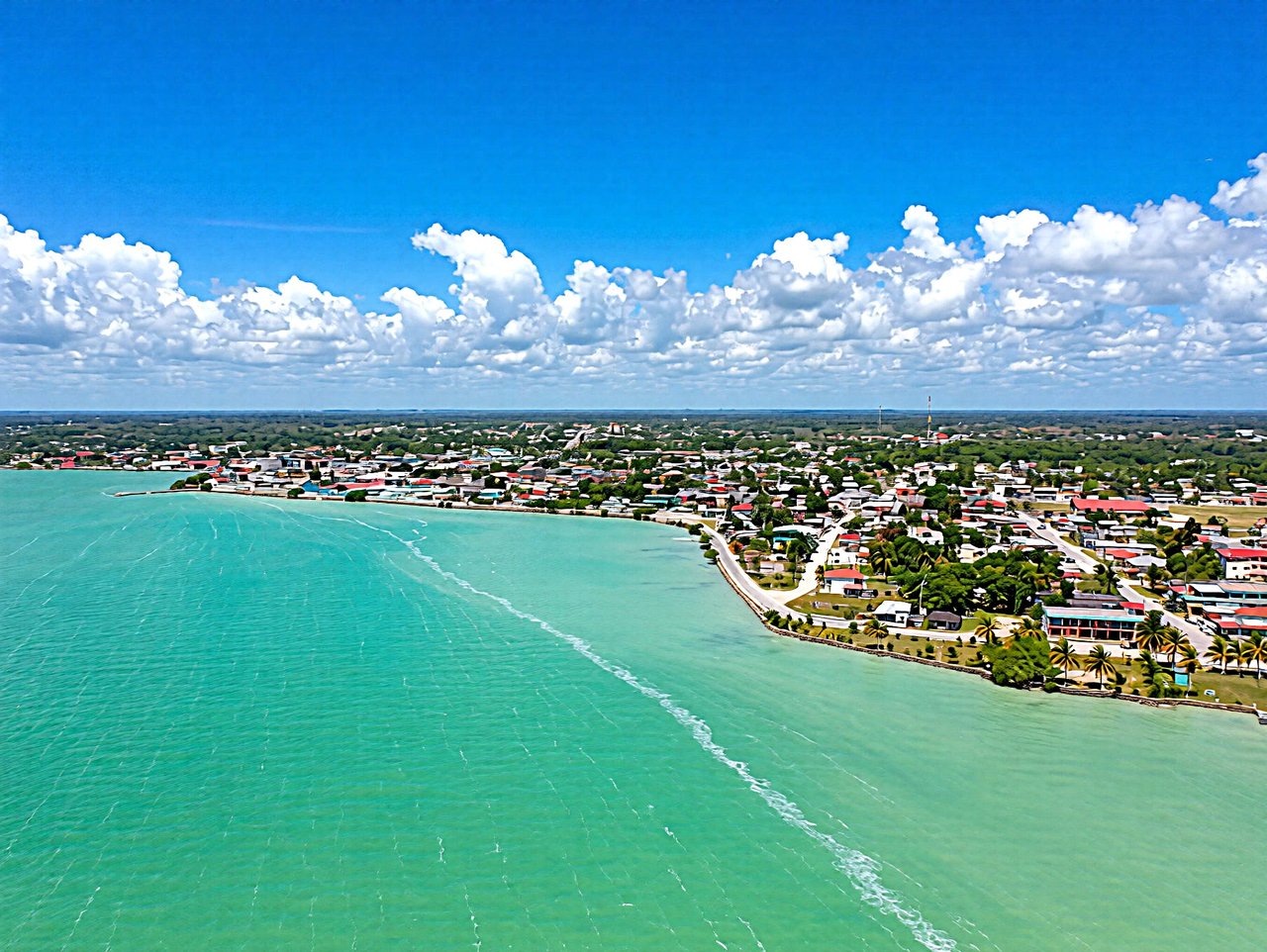
Sarteneja is a small fishing village in Belize’s Corozal District with a strong marine identity. Official sources describe it as Belize’s largest fishing village, and the area is closely tied to reef-linked tourism, boatbuilding traditions, and nearby conservation lands.
For many buyers, that creates a very specific kind of appeal. Sarteneja is not positioned like a full-service resort corridor. Instead, it tends to suit buyers who value quiet surroundings, natural scenery, and the chance to create something low-density and intentional.
If you are planning a personal retreat, a family compound, or a boutique eco-focused project, Sarteneja offers a different rhythm from more built-out coastal destinations. The setting is shaped by village life, water access, and proximity to protected coastal environments.
That matters because your buying decision should match your goals. If you want immediate resort infrastructure and walkable commercial services, this may not be the best fit. If you want a nature-led property with room to design carefully, Sarteneja may deserve a closer look.
One of the most important planning questions in Sarteneja is access. The Corozal to Sarteneja road upgrading project is about 43.2 kilometers long, and the Government of Belize still lists it among major national road projects in its 2026 infrastructure reporting.
That is useful context because access has historically been affected by storm flooding and road conditions. When you evaluate a parcel, it is smart to ask practical questions about year-round drivability, drainage, culverts, and realistic travel time from Corozal, not just how close it appears on a map.
Daily water taxi service also connects Sarteneja with San Pedro and Corozal. That can add flexibility for owners and visitors, but road access still plays a major role when you are thinking about construction, supplies, and ongoing property use.
Electricity and water may be available, but you should not assume every parcel has the same service setup. Belize Electricity Limited is the country’s primary power distributor, and its presence in Sarteneja includes local collection agents, which points to active service in the village.
Water connections also depend on location and the presence of nearby connections. Belize Water Services notes that new connections can vary by site, and its sewerage systems currently operate only in Belmopan, Belize City, and San Pedro Town.
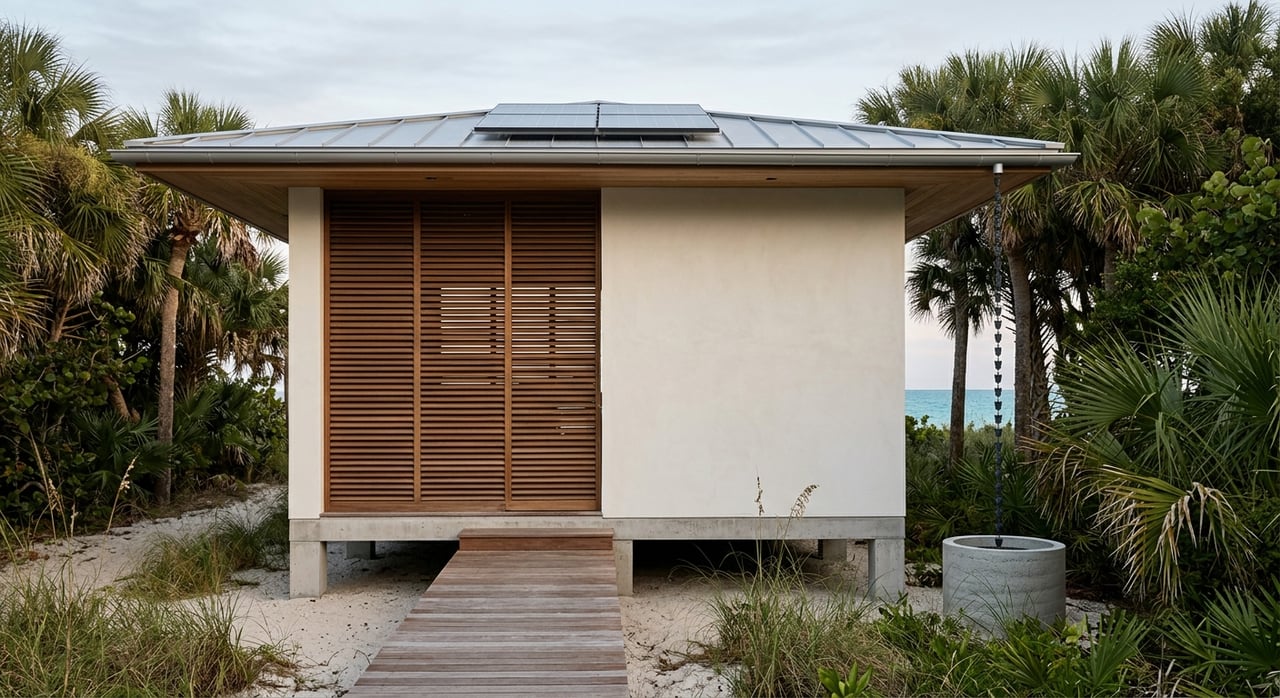
For that reason, many buyers looking at an eco-retreat concept should budget carefully for site realities. Depending on the parcel, that may include cisterns, backup power, and onsite wastewater treatment unless utility tie-ins are already confirmed.
Sarteneja can accommodate very different property goals, but the type of parcel matters. Coastal planning guidance for Sarteneja and nearby northern communities identifies single-family and multi-family residential as primary uses, with low-density commercial uses such as guest houses listed as secondary uses.
The same guidance sets a maximum lot size of 0.167 acre, minimum frontage of 50 feet, setbacks of 6 feet front, 6 feet side, and 12 feet back, with maximum site coverage of 50% for that land-use category. In nearby northern coastal planning benchmarks, low-density lots are shown at 0.25 acre and medium-density lots at 0.167 acre.
At the same time, current market inventory has shown a much broader range of parcel sizes in Sarteneja, from 0.25-acre lagoon-front lots to multi-acre waterfront and development sites. For you, that means the market may include both smaller village-style homesites and larger tracts suited to a private estate, land banking, or a low-density retreat concept.
Here is a simple way to think about the difference:
| Parcel Type | Best Fit | Key Considerations |
|---|---|---|
| Village-size lot | Personal home, compact getaway, simple residential build | Setbacks, frontage, coverage limits, utility tie-ins |
| Larger inland or set-back tract | Private haven, multi-structure retreat, more flexible site planning | Access, drainage, utility extension, environmental review |
| Waterfront or sensitive coastal parcel | Scenic retreat or signature estate | Permits, shoreline conditions, mangrove rules, site prep costs |
For many privacy-focused buyers, inland or slightly set-back parcels can be especially attractive. They may offer a larger design envelope and less dependence on shoreline construction constraints, while still keeping you close to the coastal setting that makes Sarteneja appealing.
The planning baseline in Sarteneja is not geared toward intense resort-style buildout. Northern coastal guidelines aim to protect fishing resources and traditional fishing rights, support orderly and sustainable development, maintain conservation and recreation areas, prevent inappropriate high-impact development, and preserve ecological biodiversity.
That planning direction matters if you are imagining a retreat that feels calm, efficient, and place-sensitive. In practical terms, it supports compact footprints, limited clearing, careful drainage planning, and designs that work with the natural site instead of forcing major alteration.
This can be a strength for the right buyer. If your vision is privacy, sustainability, and long-term land value tied to a quieter setting, Sarteneja’s planning context may align well with your goals.
If a parcel includes mangroves, shoreline fill areas, or other sensitive features, environmental review may become part of the process early on. The Department of the Environment states that projects with significant environmental impacts may require environmental clearance and an environmental impact assessment.
The Forest Department also requires a permit for mangrove alteration. Its review factors include distance from protected areas, effects on coastal and reef ecosystems, carbon storage and sequestration, and consistency with land-use plans.
In a place like Sarteneja, that means environmental questions are not something to leave until construction drawings are complete. They should be part of your screening process before you commit to a parcel.
Before you fall in love with a view, focus on the fundamentals. A beautiful setting is important, but your long-term experience will depend on title, planning status, access, utilities, and environmental constraints.
A practical review sequence often looks like this:
The Ministry of Natural Resources also lists a Corozal office, which can be helpful for local follow-up. If you are buying from abroad, having support that keeps these steps organized can save time and reduce surprises.
For a retreat property in Sarteneja, purchase price is only part of the picture. You should also compare the total cost of access, utility extension, drainage work, permitting, and site preparation.
Transfer costs matter too. The Ministry of Natural Resources Valuation Unit states that stamp duty on freehold transfers is 5% for Belizeans and CARICOM nationals, and 8% for foreigners, on land value above BZ$20,000.
That makes upfront budgeting especially important for cross-border buyers. A lower land price can still lead to a larger overall investment if the parcel needs more infrastructure or environmental work.
Sarteneja is often a strong match if you are looking for:
It may be less ideal if you want:
The right fit comes down to expectations. Sarteneja can be compelling, but it tends to reward patience, planning, and a clear vision.
If you are buying from the U.S. or Canada, Sarteneja can feel exciting and unfamiliar at the same time. The opportunity is real, but so is the need for clear information about title, land use, utilities, and next-step costs.
That is where a high-touch, locally informed approach matters. When you are considering a private haven or eco-focused property, you want more than a listing search. You want help understanding whether a parcel fits your goals operationally, financially, and long term.
Whether you are exploring a simple homesite, a larger waterfront tract, or land for a boutique eco concept, the smartest first step is a grounded property review. If you want experienced guidance on Belize coastal opportunities and a clearer path through the buying process, connect with Dawn Young to start your Belize property search.
Stay up to date on the latest real estate trends.
New Dawn Realty - Belize Coastal Community Series, Part 2
Belize Community by Community: A Property Guide by New Dawn Realty