How the Placencia Belize Vacation Rental Market Works
June 25, 2026
June 25, 2026
If you are thinking about buying a vacation rental on the Placencia Peninsula, the biggest question is usually not whether people want to visit. It is how the market actually works once you own. You want to understand guest demand, licensing, seasonality, and which type of property fits your goals before you commit. This guide walks you through the basics so you can evaluate Placencia with more clarity and confidence. Let’s dive in.
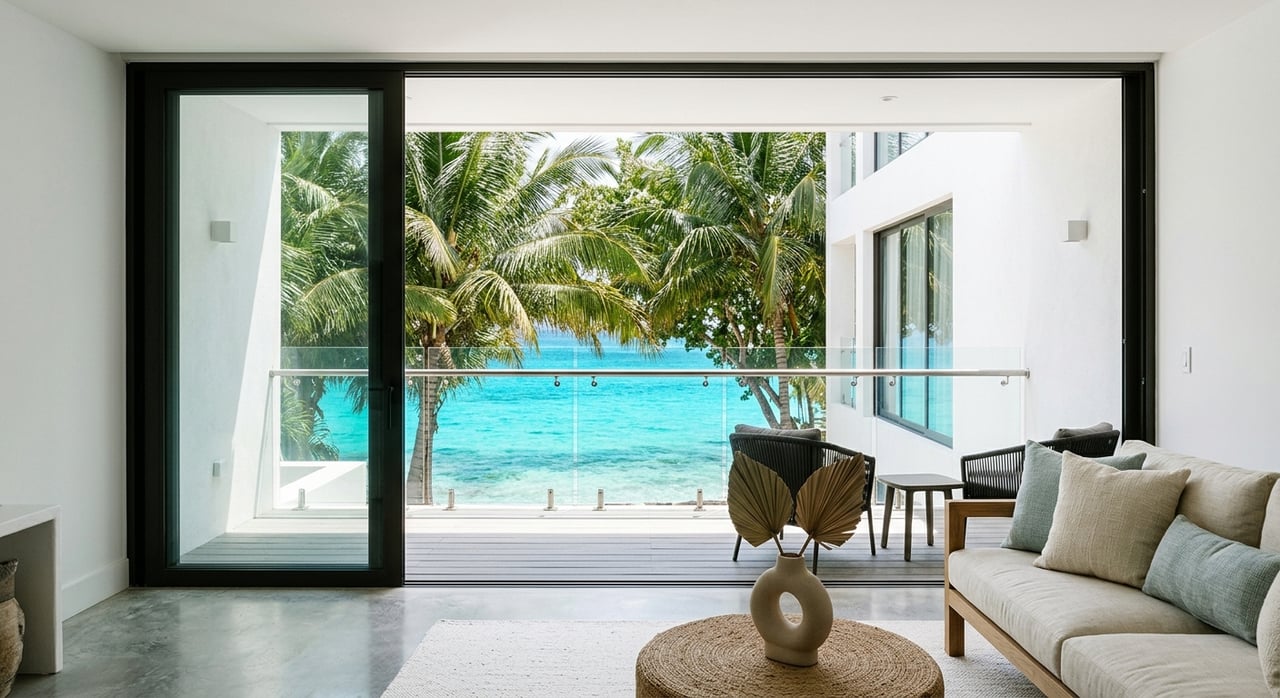
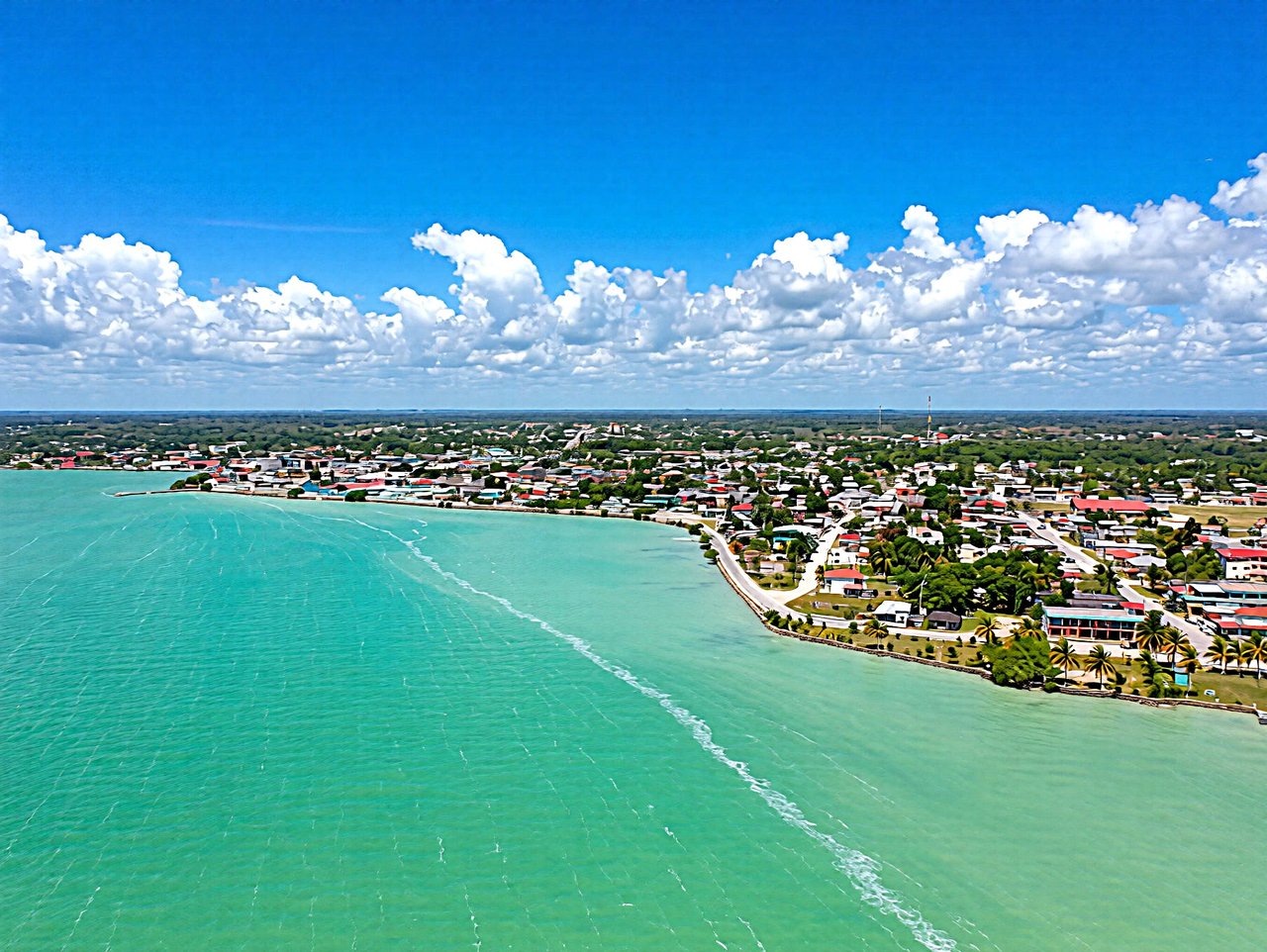
Placencia Peninsula is a well-known tourism destination in Belize, with a 16-mile coastal setting, beach appeal, and a traditional fishing-village atmosphere. It also benefits from a wide mix of nearby attractions, including reef trips, inland excursions, and seasonal marine experiences. That broad appeal helps support both shorter vacation stays and longer leisure visits.
Belize recorded 547,370 tourist arrivals in 2024, and 97.4% of those visitors came for leisure. About 74.6% of arrivals came from the U.S. and Canada. For many buyers, especially those purchasing from North America, that matters because the core demand profile is familiar and travel-driven.
Placencia is also not a fringe lodging market. In 2024, the area had 222 hotels and 1,445 rooms, up from 189 hotels and 1,162 rooms in 2023. That growth suggests you are looking at an active, established lodging cluster rather than a lightly supplied niche.
Placencia's draw goes beyond the beach itself. The destination is marketed around reef access, the Silk Cayes, Laughing Bird Caye, Maya King Waterfall, Cockscomb Basin, and whale shark encounters. That range of experiences gives owners more than one demand story to lean on.
In practical terms, this means different guest types can overlap in the same market. You may see couples booking short beach getaways, families planning week-long stays, and leisure travelers extending their trips to enjoy both the coast and inland activities. That flexibility is one reason Placencia continues to appeal to lifestyle buyers and investors alike.
One of the most important things to understand is that vacation rentals in Belize are regulated. The Belize Tourism Board says all accommodations must meet the Hotels and Tourist Accommodation Act, be registered and licensed, and collect the 9% tourist accommodation tax. The current annual license fee is listed as $25 plus $10 per room, and the process includes vetting, inspection, and posting the license.
That means you should not treat compliance as something to figure out after closing. If your plan includes new construction or major redevelopment, BTB requires prospective tourism accommodations to register before beginning that work. For buyers comparing timelines and budgets, this is a key part of due diligence.
Placencia buyers often assume longer stays automatically count as residential renting. That is not always the case. BTB guidance says that if a guest arrives on a tourist visa and pays for accommodation, the stay must be in a BTB-registered accommodation, even if it lasts for an extended period.
Residential rentals are meant for people with non-tourist immigration status, such as permanent residents, work permit holders, or students. In simple terms, a month-to-month booking can still function as tourism accommodation if the guest is in Belize as a tourist. If you are underwriting a property with medium-term stay potential, this distinction matters.
If you are considering a strata-title condo, the rules are more specific. BTB states that only one license is issued per strata lot under the selected name. Individual owners cannot separately obtain tourist-accommodation licenses for their own units when that strata structure is in place.
BTB also says that only the agreed rental pool or management company can sell those units for tourism accommodation. For condo buyers, that makes HOA documents, rental-pool agreements, and property management structure especially important. A condo may offer lower operating friction, but it can also come with tighter operating rules.
Most Placencia vacation rental opportunities fall into three broad categories:
Each one can work well, but they attract different owners and guest profiles. Your best fit depends on how involved you want to be, how much flexibility you need, and whether you plan to use the property personally.
Condos often appeal to buyers who want a more turnkey ownership experience. They can be a practical option for absentee owners who value managed operations and simpler day-to-day oversight. In many cases, they also suit couples and shorter leisure stays.
The tradeoff is control. Condo performance and operations may depend heavily on HOA rules, shared service structures, and rental-pool terms. That is why financial transparency and document review matter so much with this property type.
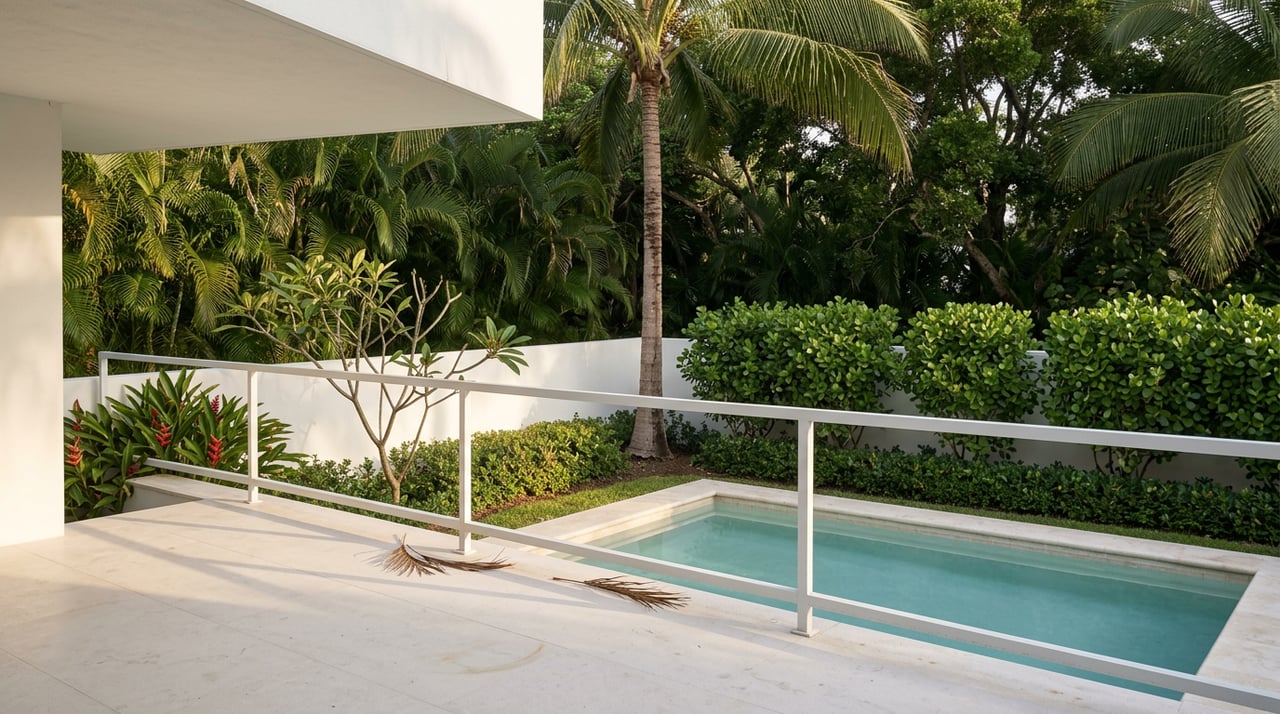
Villas tend to attract families and groups who want kitchens, outdoor space, and more privacy. For owners, they can offer a more independent operating model and more flexibility in how the property is positioned. They also align well with buyers who value a more personal second-home feel.
The tradeoff is that villas usually require more direct upkeep. Landscaping, pool care, beach or yard maintenance, and repairs can become a larger part of the ownership budget. If you want privacy and control, you should also be ready for greater maintenance responsibility.
Small multi-unit or aparthotel-style properties can bridge several parts of the market. They may support short stays, extended stays, and a mix of unit types at the same time. That can create more flexibility in guest targeting.
They also tend to be more operationally complex. Staffing, common-area maintenance, and broader compliance needs can add moving parts. For some buyers, that complexity is worthwhile because it creates diversification across more than one rental unit.
Official listings suggest different parts of the peninsula are often marketed in different ways. Placencia Village examples tend to emphasize walkability and access to amenities. Maya Beach examples more often highlight privacy, quieter settings, and flexibility for longer stays.
That does not make one area universally better than the other. It simply means location should match your operating plan. If you are buying for convenience-focused vacation demand, your criteria may differ from someone prioritizing privacy or extended-stay appeal.
Placencia vacation rental income should be modeled seasonally, not as a flat monthly average. Belize's 2024 tourist arrival data show the strongest months were March, December, February, and January. The softest months were September and October.
For an owner, that means your pricing, occupancy assumptions, and reserve planning should reflect real demand swings. A property may perform very differently in late winter than it does in early fall. Seasonal thinking is one of the simplest ways to build a more realistic ownership plan.
Placencia also benefits from specific travel windows tied to local experiences. Whale shark season usually runs from March through June off Gladden Spit. Travel Belize also highlights the Placencia Lobster Festivals as a July draw.
These windows can influence how owners think about rate changes, minimum stays, and marketing timing. If your property is intended for vacation use, understanding these travel rhythms can help you plan for stronger and softer periods more effectively.
A simple way to frame income is:
Available nights × occupancy × average daily rate = gross lodging revenue
That is only the starting point. From there, you need to subtract the real operating costs that affect net performance.
Placencia vacation rentals can carry different costs depending on the asset type, but a basic ownership model should include:
Some property types need extra line items. Condo owners should also include HOA or service charges. Villa owners should budget for landscaping, pool care, and exterior upkeep. Small multi-unit owners may need to account for staffing and common-area costs.
One more important point: the 9% tourist accommodation tax should not be treated as income. It is a pass-through amount that must be collected and remitted.
If you are deciding which format fits your goals, this simple framework can help:
| Property type | Best fit for | Main tradeoff |
|---|---|---|
| Condo or strata | Lower-friction ownership, managed setup, absentee owners | More dependence on HOA or rental-pool rules |
| Villa | Privacy, flexibility, personal-use appeal | More owner responsibility for upkeep |
| Small multi-unit | Diversification and mixed stay lengths | More staffing and compliance complexity |
This kind of comparison is useful because the right purchase is not just about location or price. It is about matching the asset to the level of involvement you actually want.
Before you move forward on a Placencia vacation rental, focus your early review on the items that shape ownership from day one:
These steps will not eliminate every surprise, but they can help you avoid common planning mistakes. They also make it easier to compare opportunities on a more realistic basis.
Placencia appeals to many buyers because it combines leisure demand, broad guest appeal, and multiple ownership formats in one destination. You can find walkable accommodations, private villa-style settings, and properties designed for extended stays. That variety gives buyers room to align their purchase with either lifestyle goals, rental goals, or both.
The key is understanding that the market is structured, seasonal, and compliance-driven. When you approach it with clear expectations around licensing, condo rules, guest type, and operating costs, you are in a much stronger position to choose wisely.
If you are exploring resort condos, beachfront homes, or managed vacation rental opportunities in Placencia, Dawn Young can help you evaluate the ownership model, compliance considerations, and property management fit with a clear, cross-border perspective.
Stay up to date on the latest real estate trends.

New Dawn Realty - Belize Coastal Community Series, Part 2
Belize Community by Community: A Property Guide by New Dawn Realty